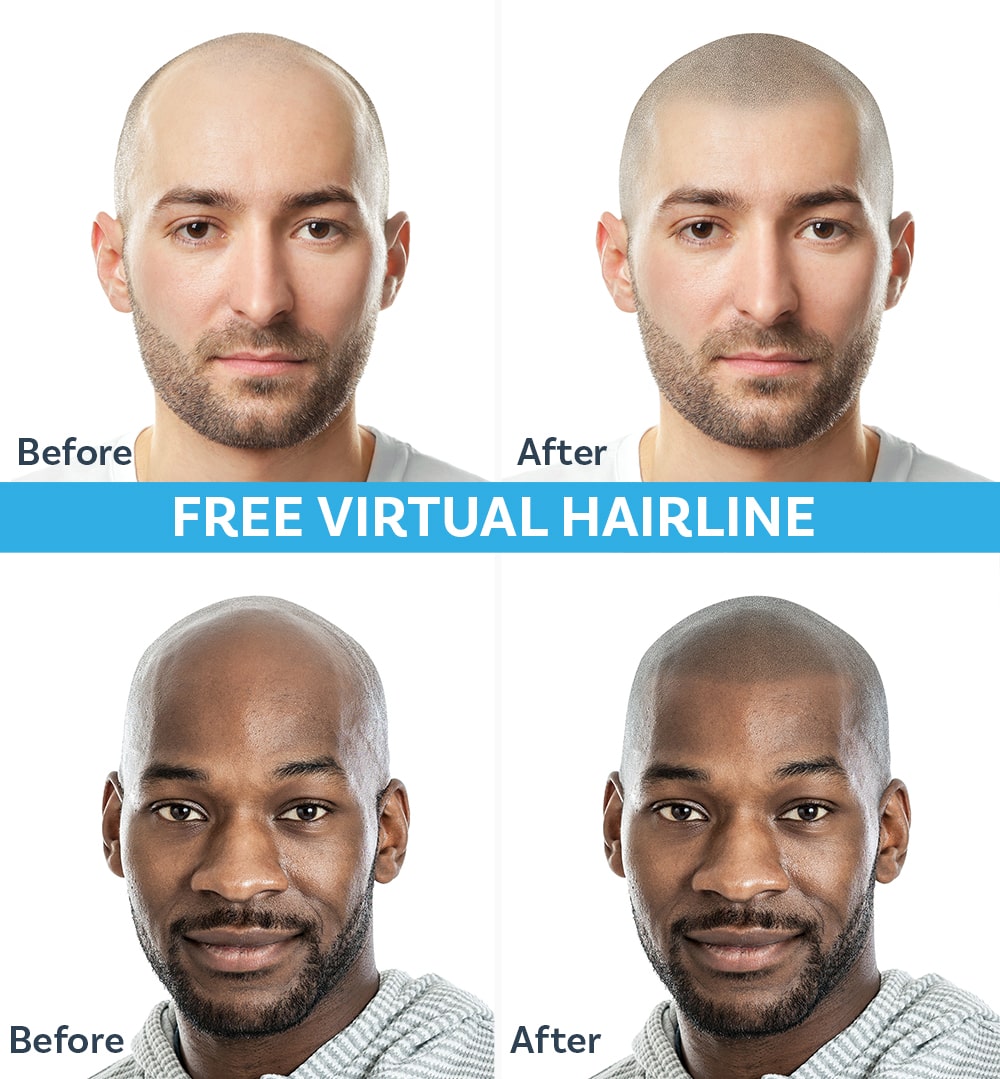
Losing your hair can make everyday moments more stressful than they should be, whether you are heading to work or meeting friends. For many men between thirty and fifty, the search for a permanent, non-surgical answer often feels overwhelming. Modern solutions like scalp micropigmentation offer a practical way to restore a natural-looking hairline and rebuild confidence, using techniques proven to deliver immediate, realistic results tailored to your unique needs.
Table of Contents
- What Defines Realistic Hair Restoration Today
- Scalp Micropigmentation: Non-Surgical Solutions Explained
- Key Features of a Natural Hairline Result
- Personalisation: SMP Customisation and Hair Goals
- Cost, Longevity, and Common Pitfalls to Avoid
Key Takeaways
| Point | Details |
| Modern Techniques | Hair restoration now prioritises natural and personalised solutions, focusing on precise follicular matching and customised hairline design. |
| Psychological Impact | Recognising the emotional aspects of hair loss is vital, as contemporary treatments aim to restore confidence and self-perception. |
| Personalisation is Key | Effective scalp micropigmentation requires tailored strategies that consider individual hair loss patterns and facial structure. |
| Cost Considerations | Understanding the financial implications and potential treatment complications is essential for making informed decisions regarding hair restoration. |
What Defines Realistic Hair Restoration Today
Hair restoration has dramatically transformed in recent years, moving far beyond traditional surgical approaches to offer more natural and personalised solutions for men experiencing hair loss. Advanced restoration techniques now prioritise aesthetic outcomes that seamlessly blend with an individual’s existing hair pattern and scalp characteristics.
Modern hair restoration focuses on a few key points. First, it matches natural hair growth patterns. Next, it designs a hairline that suits your face and age. It also recreates natural-looking hair density. In addition, many treatments are now minimally invasive, which means less discomfort and faster recovery.
At the same time, hair restoration is not just about looks. Hair loss can affect confidence and self-image. Because of this, modern treatments aim to restore both appearance and confidence.
Today, people can choose between surgical options like FUE and non-surgical treatments like SMP. The best choice depends on your hair loss pattern and personal goals.
Here is a summary comparing key modern hair restoration techniques:
| Technique | Invasiveness | Typical Result | Suitable For |
| Follicular Unit Extraction (FUE) | Minimally invasive | Permanent hair growth | Hair thinning, bald spots |
| Scalp Micropigmentation (SMP) | Non-surgical | Appearance of density | Complete or partial loss |
| Hair Transplant (FUT) | Surgical | Dense hair restoration | Larger bald areas |
| Topical Medical Treatments | Non-invasive | Slows hair loss | Early-stage hair thinning |
Pro tip: Always consult with a specialist who can assess your unique hair loss pattern and recommend a personalised restoration strategy.
Scalp Micropigmentation: A Non-Surgical Option
Scalp Micropigmentation (SMP) is a non-surgical way to improve the look of hair loss. Instead of growing new hair, it creates the appearance of real hair.
First, small amounts of pigment are placed into the upper layer of the scalp. Next, these tiny dots are designed to look like natural hair follicles. As a result, bald spots and thinning areas become less visible.
The main benefits of SMP include:
-
Precise pigment placement
-
Camouflaging bald or thin areas
-
Creating the look of fuller hair
-
Minimal discomfort
-
Immediate visual improvement
Unlike traditional hair transplants, SMP focuses on appearance rather than hair growth. In other words, it gives the look of closely shaved, fuller hair in a simple and effective way.
The technique offers remarkable versatility, addressing multiple hair loss scenarios from complete baldness to partial thinning. Scalp micropigmentation safety ensures minimal risks, with most clients experiencing a quick, relatively painless procedure that delivers immediate visual results.
Pro tip: Consult with experienced SMP practitioners who can assess your specific hair loss pattern and create a customised pigmentation strategy.
Key Features of a Natural Hairline Result
Hairline design is very important for natural-looking hair restoration. In fact, a well-designed hairline helps the results look real and right for your age. It should also match your unique facial features.
A natural hairline usually includes:
-
First, a slightly uneven edge (not perfectly straight)
-
Next, a gradual change in density
-
Also, a hairline that suits your age
-
In addition, a shape that fits your face
-
Plus, a soft and feathered front
-
Finally, small changes in pigment and placement
Together, these details make the hairline look more realistic and natural.
Professional hair restoration experts understand that a truly convincing hairline goes beyond simple symmetry. Follicular placement requires meticulous attention to detail, considering factors like facial bone structure, age, and natural hair growth patterns. Uneven hairline considerations play a crucial role in creating a realistic outcome that looks inherently natural.

Men who want hair restoration should focus on techniques that copy natural hair growth. In other words, the results should not look too perfect or too straight.
For example, small changes in pigment depth, angle, and placement help the hairline look more real. Because of this, the final result blends better with natural hair.
Pro tip: Always ask for reference photos and digital previews. This way, you can see how your personalised hairline will suit your face before treatment begins.
Personalisation: SMP Customisation and Hair Goals
Scalp micropigmentation represents a deeply personalised approach to hair restoration, recognising that each individual’s hair loss journey is unique. Professional treatment planning demands a nuanced understanding of individual aesthetic requirements and specific hair loss patterns.
Key personalisation elements include:
- Detailed scalp colour matching
- Individual hairline design
- Precise pigment selection
- Customised density recreation
- Tailored treatment strategy
- Consideration of facial structure
The most sophisticated SMP practitioners approach each client as a distinctive canvas, understanding that hair restoration goes far beyond a one-size-fits-all solution. Long-term SMP care becomes crucial in maintaining the personalised aesthetic created during the initial treatment, ensuring ongoing satisfaction and natural appearance.
Understanding a client’s specific hair goals requires in-depth consultation, where practitioners assess not just physical characteristics but also emotional expectations. The ultimate objective is creating a solution that seamlessly integrates with the individual’s identity, boosting confidence and providing a natural, undetectable hair restoration result.
Pro tip: Bring photographs of your preferred hairstyle from different periods of your life to help practitioners understand your ideal aesthetic vision.
Cost, Longevity, and Common Pitfalls to Avoid
Hair restoration investments require careful consideration of both immediate expenses and long-term outcomes. Comprehensive cost analysis reveals that men have multiple treatment options ranging from budget-friendly maintenance to more substantial financial commitments.
Key financial and strategic considerations include:
- Initial treatment costs
- Potential maintenance expenses
- Longevity of results
- Potential need for touch-ups
- Quality of pigmentation technique
- Provider reputation and expertise
Understanding potential treatment complications is crucial for making an informed decision. Patient selection strategies emphasise the importance of realistic expectations and comprehensive diagnostic assessments before committing to any hair restoration procedure.
Common pitfalls that men should actively avoid include unrealistic aesthetic goals, neglecting proper aftercare, and failing to choose a practitioner with demonstrable expertise in scalp micropigmentation. The most successful hair restoration journeys combine technical precision with a nuanced understanding of individual aesthetic requirements.
Below is a checklist of essential considerations before choosing a hair restoration strategy:
| Consideration | Why It Matters | What to Ask the Provider |
| Cost Transparency | Prevents hidden fees | Detailed breakdown of expenses |
| Practitioner Credentials | Ensures proven expertise | Evidence of training, portfolio |
| Long-Term Maintenance | Impacts overall investment | Aftercare and touch-up schedule |
| Realistic Expectations | Affects satisfaction | Feasible outcome predictions |
Pro tip: Request detailed cost breakdowns and comprehensive aftercare instructions before finalising any hair restoration treatment.
Understanding Realistic Hair Restoration Outcomes for Men
Hair loss can affect your confidence and how you feel about yourself. Because of this, choosing the right solution matters.
First, a natural-looking hairline helps your results look balanced and right for your age. Next, a personalised treatment plan ensures better results for your specific hair loss. In addition, minimally invasive treatments mean less discomfort and little to no downtime.
If you want a long-lasting solution, non-surgical scalp micropigmentation (SMP) can be a strong option. Unlike surgery, it does not require cuts or recovery time. Instead, it creates the look of fuller hair in a safe and controlled way.
At Skalp, treatments are customised to match your hair loss pattern and goals. So, if you are ready to rebuild your confidence, book a consultation and take the first step toward natural-looking hair restoration.
Frequently Asked Questions
What are the main techniques for hair restoration available today?
Today, there are several main hair restoration options. The most common ones include Follicular Unit Extraction (FUE), Follicular Unit Transplantation (FUT), Scalp Micropigmentation (SMP), and topical medical treatments.
First, FUE and FUT are surgical procedures that move healthy hair follicles to thinning or bald areas. Next, SMP is a non-surgical cosmetic treatment that creates the look of fuller hair. Finally, topical treatments, such as medicated solutions, aim to slow hair loss and support regrowth.
Each method is different. Some are more invasive, while others are non-surgical. As a result, the type of results and recovery time can vary.
How does scalp micropigmentation (SMP) work for hair restoration?
Scalp Micropigmentation (SMP) is a non-surgical treatment. Instead of moving hair, it creates the appearance of hair.
During the procedure, a specialist places small dots of pigment into the scalp. These dots look like tiny hair follicles. Because of this, SMP gives the illusion of a closely shaved head or thicker hair.
In other words, SMP does not grow new hair. Instead, it makes thinning or bald areas much less noticeable.
What should I consider when designing a natural-looking hairline?
When designing a natural-looking hairline, several factors are important.
First, the hairline should not be perfectly straight. A slightly uneven and soft edge looks more natural. In addition, the hairline should match your age. For example, a mature hairline usually has some natural recession.
Furthermore, the shape should suit your face. Matching the hairline to your facial features helps create a balanced and realistic result. Overall, small details make a big difference.
What are the common pitfalls to avoid in hair restoration?
There are a few common mistakes to avoid.
First, setting unrealistic expectations can lead to disappointment. It is important to understand what each treatment can and cannot achieve.
Second, proper aftercare is essential. Without it, results may not last or heal properly.
Finally, choosing an inexperienced practitioner can affect the outcome. Therefore, always check qualifications, reviews, and before-and-after results.
In summary, clear expectations, proper care, and a skilled specialist are key to achieving satisfying results.