Is Scalp Micropigmentation Safe in the UK? A Complete Guide
Scalp micropigmentation (SMP) has become one of the UK’s fastest-growing hair loss solutions. From London to Manchester, more men and women are choosing this non-surgical treatment over hair transplants and long-term medication.
But the key question remains:
Is scalp micropigmentation safe?
Yes — when carried out by trained practitioners in a regulated UK clinic, scalp micropigmentation is considered a safe, low-risk procedure.
Here’s what you need to know before booking.
What Is Scalp Micropigmentation?
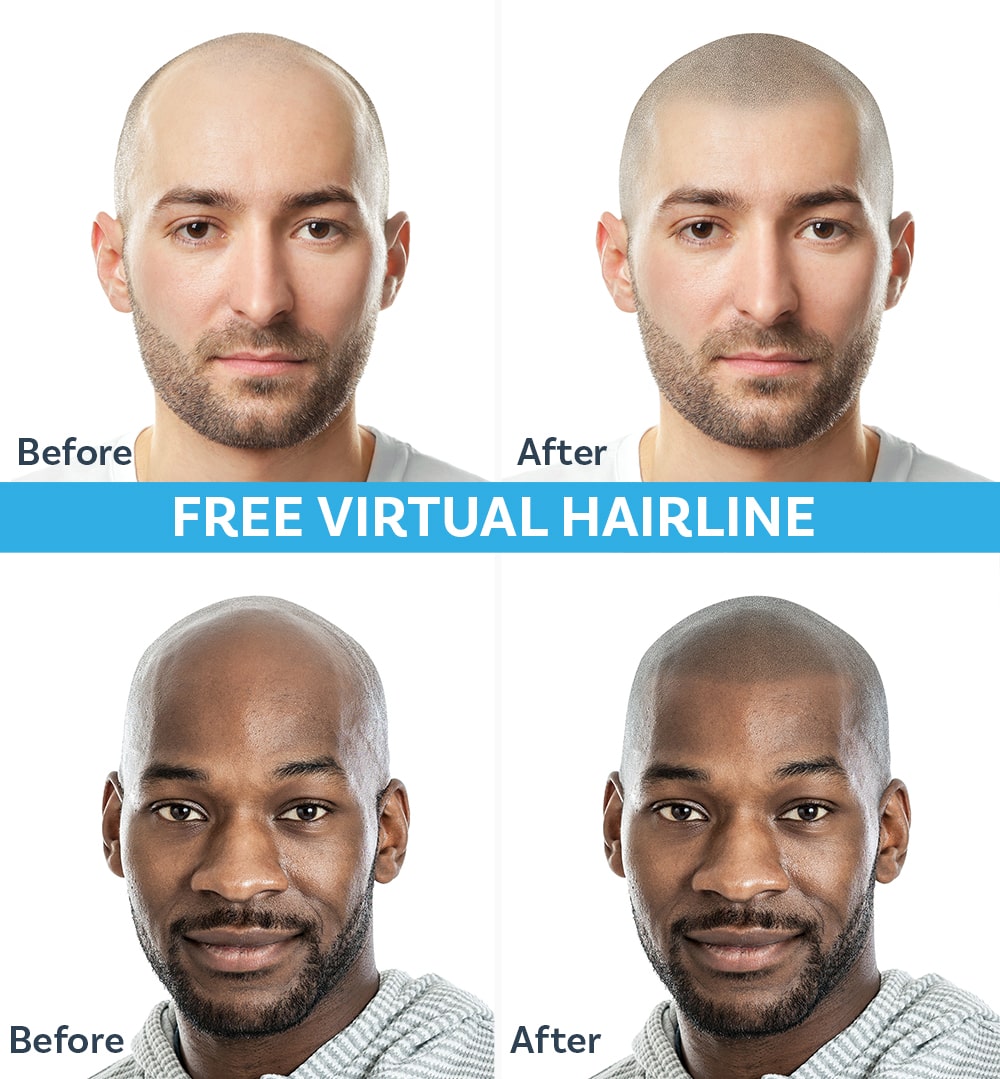
Scalp micropigmentation is a cosmetic procedure where natural pigments are carefully deposited into the upper dermis of the scalp to replicate the look of real hair follicles.
The result?
✔ The appearance of a fuller head of hair
✔ A defined, clean shaved look
✔ Added density for thinning hair
Unlike surgical hair transplants, SMP:
-
Does not involve incisions or stitches
-
Requires minimal downtime
-
Is typically completed in 2–3 sessions
-
Is tailored to match your natural skin tone
Clinics such as Skalp specialise in delivering highly natural-looking results across the UK.
1. Hypoallergenic, Medical-Grade Pigments
One of the most common concerns in the UK is allergic reaction.
Professional SMP clinics use:
-
Medical-grade pigments
-
Hypoallergenic formulas
-
Sterile, single-use needle cartridges
If you have sensitive skin, reputable providers will offer a patch test prior to treatment. This involves placing a few pigment dots in a discreet area to monitor for any reaction — giving you added peace of mind.
2. Drug-Free Hair Loss Solution
Unlike treatments such as finasteride or minoxidil, scalp micropigmentation is completely drug-free.
There are:
-
No prescriptions required
-
No ongoing medication costs
-
No systemic side effects
Most clients do not require anaesthetic. If you have a low pain threshold, you may take a mild over-the-counter painkiller beforehand (such as paracetamol or ibuprofen), but this is optional.
3. Very Low Risk of Infection
When performed correctly in a professional UK clinic, the infection risk is extremely low.
This is because SMP:
-
Is minimally invasive
-
Does not involve surgical incisions
-
Does not implant foreign tissue or grafts
-
Does not leave open wounds
Proper aftercare — such as avoiding heavy sweating and swimming during initial healing — further reduces any risk.
4. Regulated Hygiene Standards in the UK
UK clinics must adhere to strict hygiene and infection control standards.
Reputable providers such as Skalp operate under Health Protection and local council environmental health regulations. This includes:
-
Single-use sterile needles
-
Disposable gloves
-
Clinical-grade sanitation
-
Safe sharps disposal
-
Certified and trained practitioners
Always ensure your chosen clinic is registered with the local authority and operates from a clean, clinical environment.
5. Customised for Natural Results
Safety isn’t just about health — it’s also about achieving a natural finish.
UK SMP clinics customise:
-
Hairline design
-
Pigment shade
-
Follicle density
-
Placement strategy
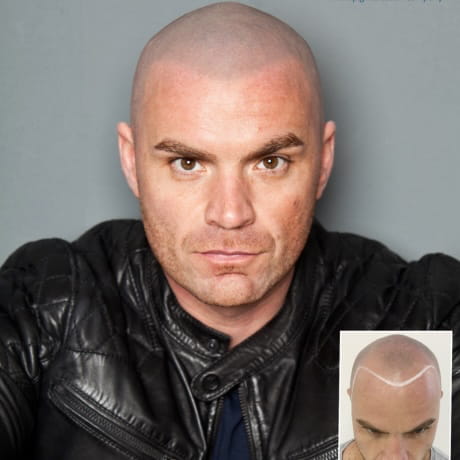
This ensures your treatment complements your complexion and facial structure, avoiding an artificial or “blocky” appearance.
Who Might Not Be Suitable for SMP?
Although safe for most people, you should seek medical advice first if you:
-
Have active scalp infections
-
Have severe psoriasis or eczema affecting the scalp
-
Are prone to keloid scarring
-
Have certain autoimmune conditions
A professional consultation will determine suitability.
Final Answer: Is Scalp Micropigmentation Safe in the UK?
Yes — scalp micropigmentation is safe when carried out by qualified practitioners in a hygienic, regulated UK clinic.
It is:
-
Non-surgical
-
Low risk
-
Drug-free
-
Cost-effective compared to transplant surgery
-
Long-lasting (typically 4–6 years before a refresh)
The key is choosing an experienced clinic that follows UK health and safety standards.
If you’re considering scalp micropigmentation in the UK, book a consultation, request a patch test if needed, and ensure your practitioner is fully trained and insured.
We have clinics in London and Manchester.