Are You Affected by Alopecia Universalis or Alopecia Totalis?
There is renewed optimism in the field of autoimmune dermatology. A biotechnology company in Chester County, Pennsylvania recently filed an application with the U.S. Food and Drug Administration to begin human trials of an investigational oral treatment targeting severe forms of alopecia.
For individuals living with Alopecia Totalis or Alopecia Universalis, this development represents more than a clinical milestone — it represents hope.
Understanding the Three Forms of Alopecia
Alopecia areata spectrum disorders are autoimmune conditions. In each case, the immune system mistakenly targets hair follicles, disrupting normal hair growth cycles.
1. Alopecia Areata
The most common presentation.
-
Causes round or oval bald patches on the scalp
-
May remain localized or progress
-
In some cases, can develop into more severe forms
While often unpredictable, some individuals experience spontaneous regrowth.
2. Alopecia Totalis
A more advanced autoimmune presentation.
-
Results in complete loss of scalp hair
-
Frequently affects eyebrows and eyelashes
-
May cause nail abnormalities (ridging, brittleness)
-
Associated with genetic predisposition
-
Chronic stress is considered a potential trigger
Current management typically involves immunosuppressive therapies. While these can reduce immune activity, they may increase infection risk and carry long-term safety concerns.
3. Alopecia Universalis
The most extensive form of the condition.
-
Causes total hair loss across the entire body
-
Often linked to underlying genetic mutations present from birth
-
May manifest later in life
-
Historically difficult to treat effectively
Existing therapies, including topical immunotherapy, demonstrate limited success rates (often cited around 40%) and variable durability.
Emerging Treatment: ATI-50001
The investigational compound ATI-50001 is being developed as an oral therapy for severe alopecia areata phenotypes.
According to Dr. Stuart Shanler, Chief Scientific Officer at the sponsoring company:
“We look forward to developing ATI-50001 as a potential oral treatment for these severe phenotypes of alopecia areata.”
If approved, an oral systemic therapy could represent a significant advancement over topical or injectable immunomodulators.
That said, clinical trials must establish:
-
Safety profile
-
Long-term efficacy
-
Relapse rates
-
Comparative advantage over existing JAK inhibitors and immunotherapies
Regulatory approval remains contingent upon robust Phase I–III trial outcomes.
Living with Severe Hair Loss: Practical Solutions You Can Use Now
While new medicines are still being developed, many people want solutions they can use right away. So, instead of waiting, they look for options that improve how they look and feel today.
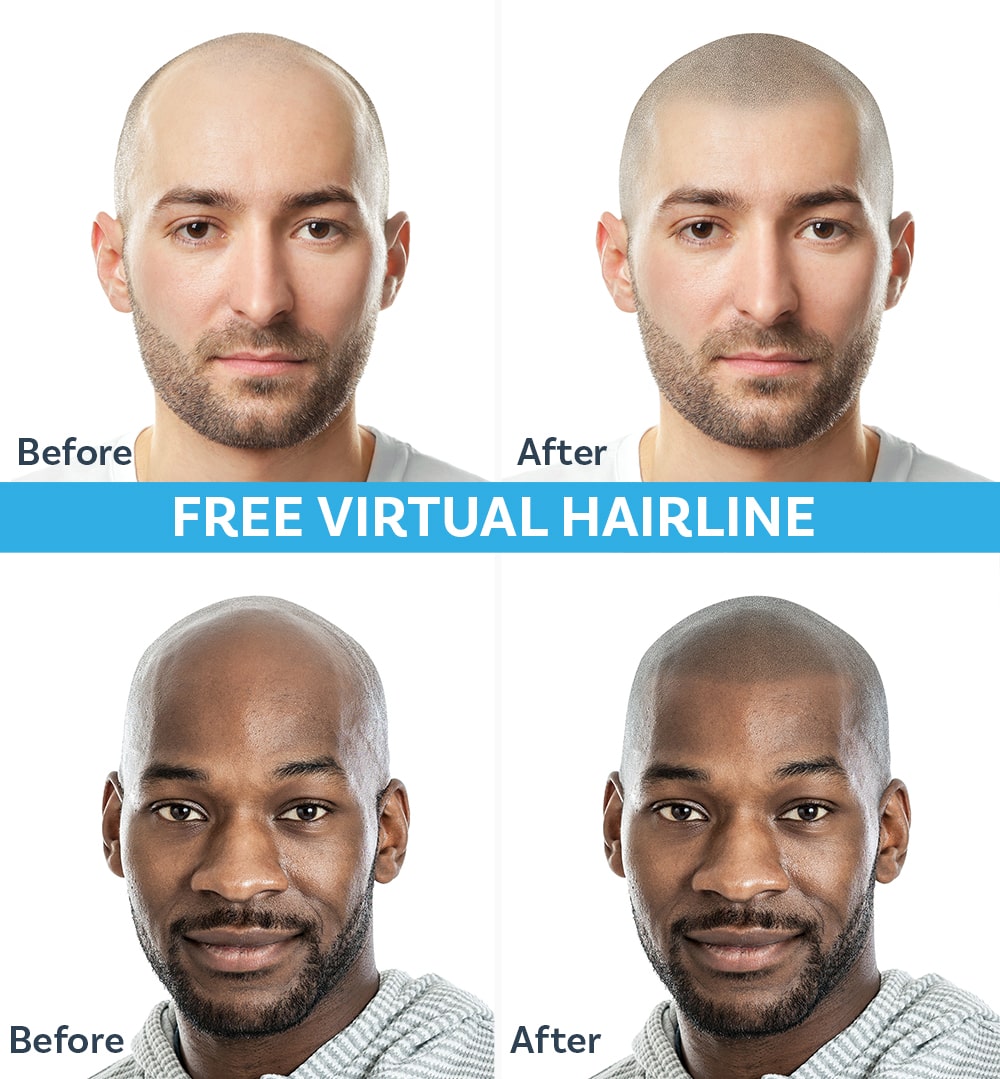
One popular option is Scalp Micropigmentation (SMP).
Final Thoughts
Severe alopecia is not just a cosmetic issue. It can strongly affect how a person feels about themselves. In addition, it can lower confidence and impact overall mental wellbeing.
At the same time, new treatments like ATI-50001 are being studied and are moving toward clinical trials under FDA supervision. This means better medical options may become available in the future. However, until then, the best approach is to combine proven medical treatments with high-quality cosmetic solutions.
If you have Alopecia Totalis or Alopecia Universalis, it is important to speak with a dermatologist who specialises in autoimmune hair conditions. They can explain new and emerging treatments and help you choose the most suitable plan for your specific situation.
We have clinics in London and Manchester.
Top related posts: