
Hair extensions can transform your look instantly — adding length, volume, and confidence. But can hair extensions cause hair loss?
The short answer is yes — particularly when worn incorrectly, too tightly, or for prolonged periods. Increasingly, dermatologists are linking long-term extension use with a condition known as traction alopecia, a preventable form of hair loss caused by constant tension on the hair follicles.
At Skalp, we regularly see clients experiencing thinning or bald patches linked to years of tight hairstyles and extensions. Understanding the risks early can prevent permanent damage.
What Is Traction Alopecia?
Traction alopecia is hair loss caused by repeated pulling or tension on the scalp. It most commonly affects:
-
The hairline
-
The temples
-
Areas where extensions or weaves are attached
When hair follicles are subjected to continuous strain, inflammation occurs. Over time, this weakens the follicle and can eventually lead to permanent follicular damage.
If caught early, traction alopecia is reversible. If ignored, it can result in permanent hair loss.
How Hair Extensions Lead to Hair Loss
Hair extensions themselves are not inherently dangerous. The risk depends on:
1. Excessive Tension
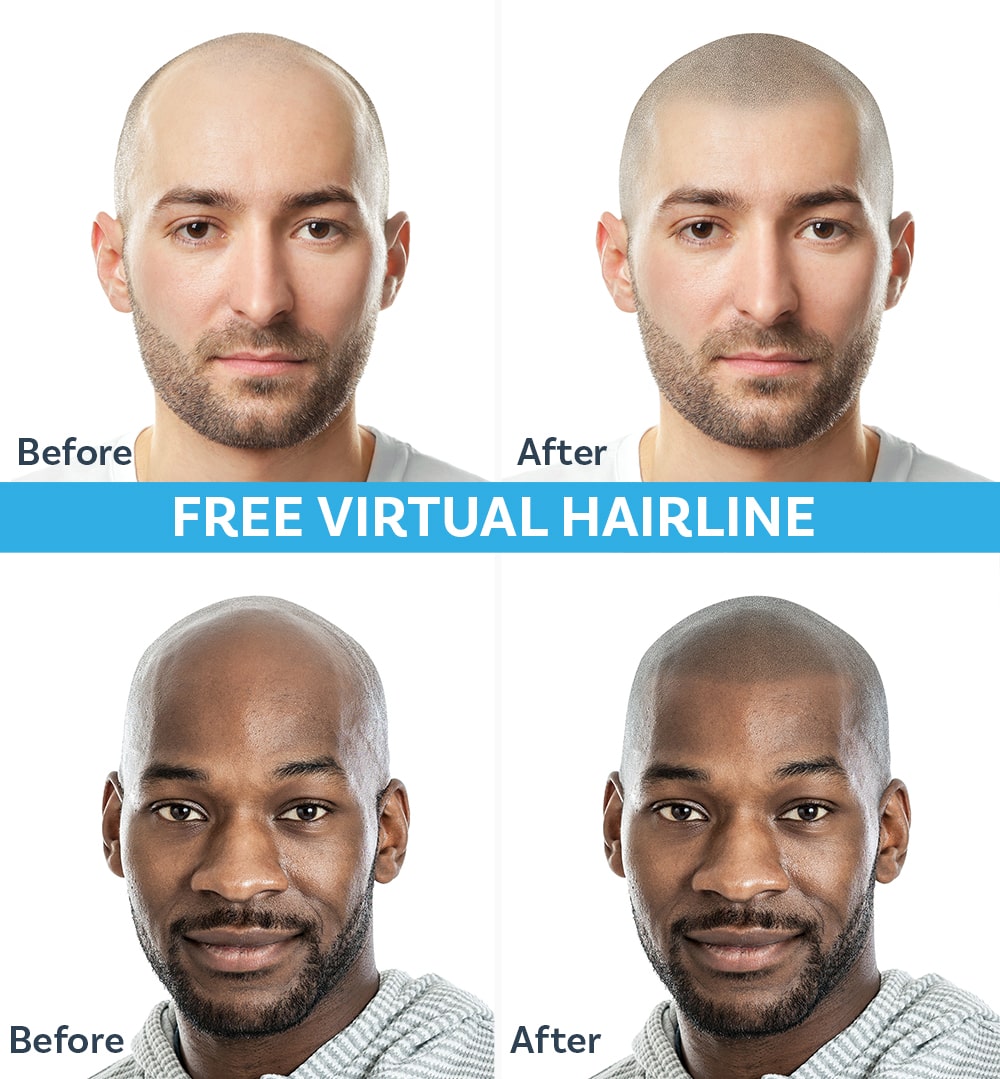
Tight braiding, weaving, bonding, or micro-ring methods can create constant pull on natural hair.
2. Weight
Long, thick, or heavy extensions place added stress on already fragile follicles.
3. Duration of Wear
Keeping extensions in continuously for months — or years — without breaks prevents the scalp from recovering.
4. Poor Application Standards
Unsanitary tools, improper sectioning, or unqualified technicians increase the risk of infection and scalp trauma.
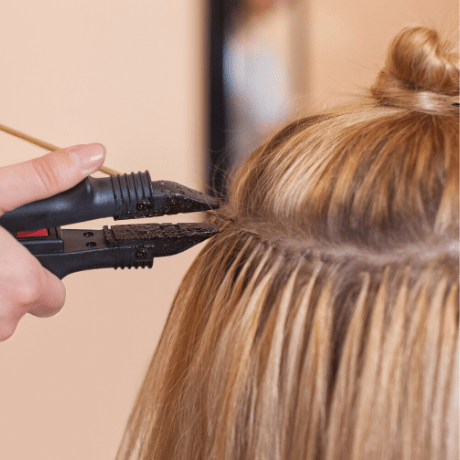
Warning Signs of Extension-Related Hair Damage
Early intervention is critical. Watch for:
-
Persistent scalp soreness
-
Redness or inflammation
-
Small bumps around follicles
-
Headaches from tight styling
-
Thinning edges
-
Widening parting
-
Visible bald patches
Bleeding, infection, or rapid shedding after installation requires immediate removal and medical advice.
Is Hair Loss from Extensions Permanent?
It depends on severity.
Early-stage traction alopecia:
Hair can regrow once tension is removed.
Advanced traction alopecia:
If follicles are scarred, regrowth may not occur naturally.
This is why long-term extension wearers — especially those using tight methods for 5–10+ years — are at higher risk of permanent thinning.
How to Prevent Hair Loss from Hair Extensions
If you choose to wear extensions:
-
Avoid tight installation.
-
Choose lighter-weight options.
-
Take regular breaks.
-
Never ignore scalp pain.
-
Ensure your technician is qualified and uses sterile tools.
-
Rotate hairstyles to reduce constant tension in one area.
-
Prioritise scalp health with gentle cleansing products.
Most importantly: pain is not normal. If it hurts, it is too tight.
When Hair Loss Has Already Occurred
For some women, removing extensions reveals thinning areas or patchy bald spots that do not recover.
At Skalp, we specialise in non-surgical solutions for visible hair loss using scalp micropigmentation (SMP). This treatment creates the appearance of natural hair follicles, restoring:
-
A fuller hairline
-
Density to thinning areas
-
Confidence after long-term damage
Unlike temporary fixes, SMP provides a long-lasting cosmetic solution without surgery or ongoing maintenance treatments.
Frequently Asked Questions
Can clip-in extensions cause hair loss?
Yes, if worn daily and attached tightly in the same area for years. Even non-permanent methods can cause cumulative tension damage.
How long does it take for traction alopecia to develop?
It varies. Some experience early signs within months; others develop thinning gradually over several years.
Can hair grow back after removing extensions?
If the follicle is still healthy, regrowth is possible. If scarring has occurred, professional treatment may be required.
Final Thoughts
Hair extensions can be safe when applied and worn responsibly. However, prolonged tension, heavy styling, and poor application practices significantly increase the risk of traction alopecia.
If you are noticing thinning around your hairline or temples after wearing extensions, early action matters.
Skalp offers expert consultations to assess hair loss and discuss suitable treatment options.
If you would like to know more about Skalp Micropigmentation click here
We have clinics in London and Manchester.
Book an appointment for a complimentary consultation today
Top Related Posts:
4 Types Of Hair Loss Scalp Micropigmentation Can Fix
Skalp Hair Loss Series; Prevention, Treatment and Enhancement