Is Scalp Micropigmentation (SMP) Haram? A Clear Islamic Explanation
Hair loss, receding hairlines, and male pattern baldness affect many Muslim men and can significantly impact confidence and self-image. One increasingly popular solution is Scalp Micropigmentation (SMP) — but a common and understandable concern is whether SMP is haram under Islamic law.
Short answer: Scalp Micropigmentation is considered permissible (halal) by many contemporary scholars.
Below is a clear explanation of why.
What Is Scalp Micropigmentation (SMP)?
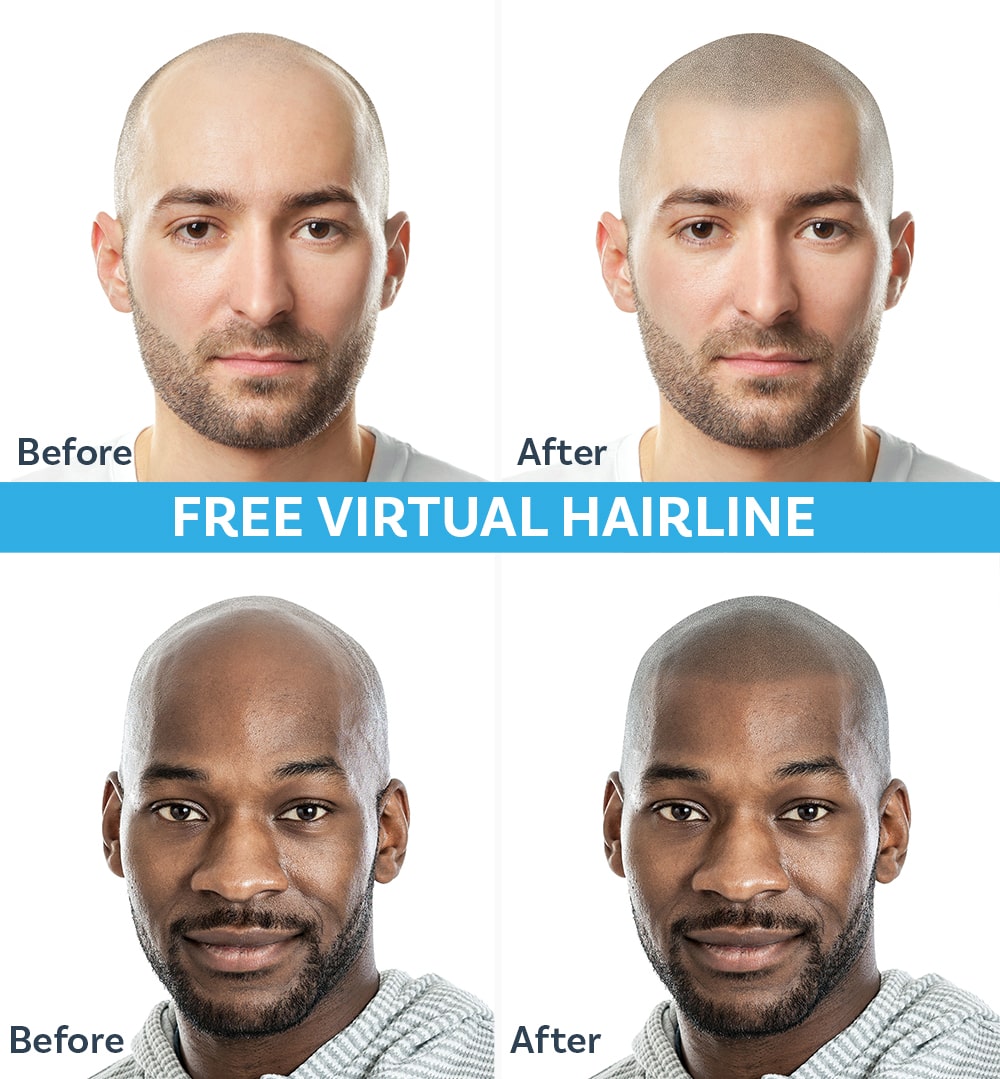
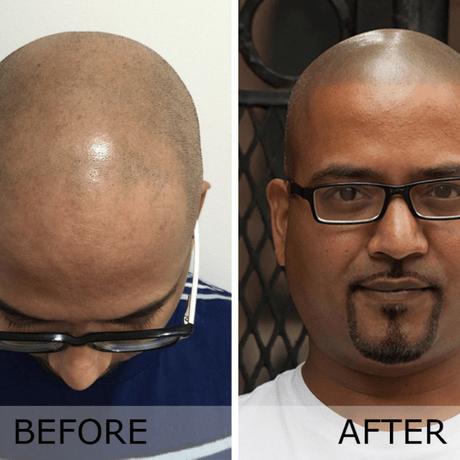
Scalp Micropigmentation is a non-surgical treatment that involves placing tiny deposits of pigment into the dermal layer of the scalp. These pigment impressions replicate the natural appearance of hair follicles, creating the look of a fuller head of hair or a clean, shaved style.
When performed correctly, SMP is visually realistic both from a distance and close up. It is commonly used to address:
Complete hair loss
Receding hairlines
Thinning hair
Bald spots
Is Scalp Micropigmentation the Same as Tattooing?
Many people raise this concern early in the conversation.
Although SMP uses equipment that looks similar to tattoo machines, it does not function in the same way as a traditional tattoo.
Scholars generally consider traditional tattoos haram because they permanently alter the body and intentionally change Allah’s creation. However, Scalp Micropigmentation differs in several key respects:
Clients must attend periodic touch-ups, so the procedure does not create a permanent alteration.
SMP restores rather than decorates — it recreates the look of hair that previously existed.
Practitioners place pigment much more superficially in the skin compared to conventional tattoo ink.
The results fade gradually over time, making the treatment semi-permanent.
What Pigment Is Used in SMP?
Scalp Micropigmentation uses a natural, iron oxide–based pigment, not conventional tattoo ink.
Iron oxide is a compound that already exists naturally within the human body and does not contain the synthetic additives commonly found in tattoo inks.
Importantly:
- SMP does not block the skin
- It does not interfere with wudhu
- The scalp can still absorb and release water normally
This further supports the permissibility of the procedure.
Treatment, Not Modification
In 2016, the European Council for Fatwa and Research issued formal guidance clarifying that Scalp Micropigmentation is permissible under Islamic law. Specifically, the council explained that SMP treats hair loss rather than altering the body purely for beautification.
Moreover, SMP’s temporary nature further strengthens this ruling. Because practitioners must maintain the treatment over time, it does not create a permanent change to Allah’s creation. Therefore, the procedure aligns more closely with restoration than alteration.
In addition, Islamic jurisprudence has long permitted medical and restorative interventions. For example, a well-known hadith recounts how Arfaja bin Sa’ad wore a nose prosthesis after sustaining an injury in battle. The Prophet Muhammadﷺ approved its use, treating it as a legitimate medical solution rather than a prohibited modification.
Taken together, these principles clearly position SMP within the category of restorative treatment.
What Does Islam Say About Baldness?
Baldness is considered an ailment like any other. Treating it is permissible, whether through:
- Hair transplants
- Hair colouring
- Scalp Micropigmentation
Islam allows treatments that restore normal appearance, similar to treating burns or injuries to the skin.
Final Verdict: Is Scalp Micropigmentation Haram?
No.
Based on scholarly rulings and Islamic principles, Scalp Micropigmentation is allowed (halal) when performed as a treatment for hair loss.
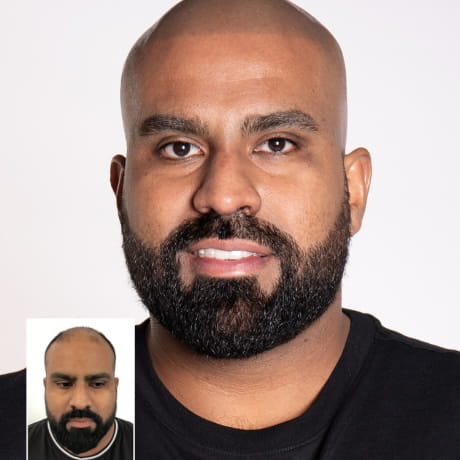
Muslim men can confidently undergo SMP without concern that they are violating Islamic law.
Why Choose Scalp Micropigmentation?
Scalp Micropigmentation offers:
- A non-surgical solution
- A natural shaved-head appearance
- Low maintenance
- Long-lasting, adaptable results
As you age, your SMP can be refined to match your changing hairline, ensuring a look that remains clean, mature, and confident.
If you have further questions, visit Skalp’s FAQ page or speak directly with one of our specialists for personalised advice.
Skalp have clinics around the world. We have clinics in London and Manchester.
Book an appointment for a complimentary consultation today
Top Related Posts:
The Difference Between A Hair Tattoo And Body Tattoo
Receding Hairline In Your 20’s? 6 Hair Loss Solutions To Consider