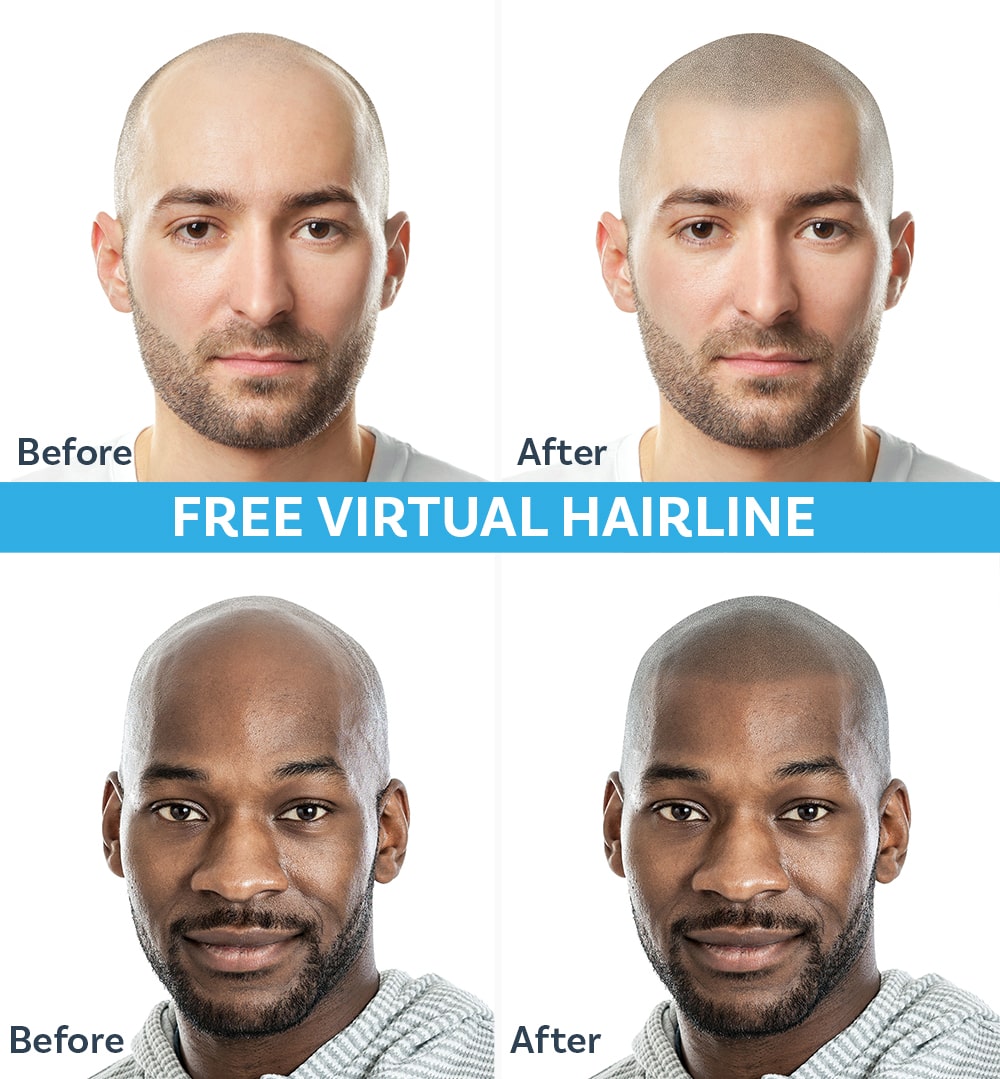
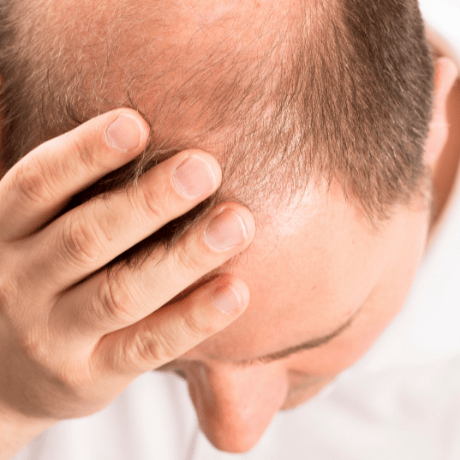
Stress Hair Loss: What’s Happening to Your Scalp — and What You Can Do
Noticing more hair in the shower? A widening part? Thinner temples?
Stress doesn’t just affect your mood — it directly impacts your scalp health and hair density. If you’re searching for answers about hair loss and scalp micropigmentation, here’s what you need to know.
How Stress Disrupts the Hair Growth Cycle
Your scalp contains thousands of hair follicles, each cycling through three active stages:
Anagen (Growth Phase)
Hair actively grows from the follicle. This phase determines your maximum hair length and density.
Catagen (Transition Phase)
The follicle shrinks and detaches from its blood supply.
Telogen (Resting & Shedding Phase)
Hair stops growing and eventually falls out.
When stress hormones spike, they force more follicles into the telogen phase at the same time. The result: sudden, noticeable shedding. This condition is known as telogen effluvium.

The Science Behind Stress-Related Hair Loss
Researchers at Harvard University found that stress hormones suppress a protein (GAS6) responsible for activating hair follicle stem cells. Without that signal, follicles remain dormant longer and hair growth slows.
While the study focused on mice, dermatologists recognize similar mechanisms in humans. Elevated cortisol can:
-
Shorten the growth phase
-
Increase shedding
-
Trigger inflammation in the scalp
-
Worsen genetic hair loss
In some cases, stress can also trigger alopecia areata, an autoimmune condition that causes patchy hair loss.
Why Stress Hair Loss Feels Worse Than It Is
Stress-related shedding often looks dramatic. Hair falls out quickly, which creates panic — and panic increases stress.
However, the follicles usually remain alive. The issue isn’t permanent destruction. It’s delayed reactivation.
That said, repeated or long-term stress can thin hair density over time, especially if you’re already predisposed to male or female pattern hair loss.
Where Scalp Micropigmentation Fits In
If you’re waiting for regrowth or managing ongoing thinning, scalp micropigmentation (SMP) provides an immediate cosmetic solution.
SMP works by placing medical-grade pigment into the scalp to replicate natural hair follicles. It creates:
-
The look of a fuller hairline
-
Denser coverage in thinning areas
-
Camouflage for bald patches
-
A clean, shaved-head appearance
Unlike hair transplants, SMP does not require surgery, grafts, or recovery time. It enhances what you have and restores visual density.
For many clients dealing with stress-related hair loss, SMP reduces appearance-related anxiety — which helps break the stress–shedding cycle.
The Bottom Line
Stress can absolutely contribute to hair thinning and shedding. It disrupts your natural growth cycle and delays regrowth.
If you’re experiencing hair loss due to stress:
-
Address the root cause medically and emotionally.
-
Protect scalp health.
-
Consider scalp micropigmentation to restore the appearance of density and confidence.
Hair loss feels overwhelming — but you have options.
We have clinics in London and Manchester
Book an appointment for a complimentary consultation today
Top posts:
Scalp Micropigmentation Frequently Asked Questions
The darker side of hair extensions
Shaving after SMP – Dos and Don’ts
The Future of Hair Health: How New Scalp Ingredients and Scalp Micropigmentation Work Together