Greying Hair: More Than Just a Change in Colour
For many people, greying hair is accepted as an inevitable milestone of aging. In modern culture, it is often reframed positively—associated with sophistication, maturity, and quiet authority. Public figures and fashion trends have helped normalise silver and salt-and-pepper styles, making it more socially acceptable than ever to embrace natural greying.
Yet while grey hair may be outwardly celebrated, the personal experience behind it can be far more nuanced.
For some, it represents character and confidence. For others, it feels like a loss of identity—an abrupt visual shift that does not match how they feel internally. The transition is rarely just cosmetic; it can alter how someone perceives themselves and how they believe others perceive them.
The Psychological Impact of Greying Hair
The first appearance of grey hairs can act as a psychological marker—an unmistakable signal that time is moving forward. Even individuals who intellectually accept aging may still experience a subtle emotional response when they see visible changes in the mirror.
Greying hair can influence:
-
Self-confidence
-
Professional self-image
-
Social engagement
-
Perceived vitality
In Western societies, where youthfulness is often idealised, visible signs of aging may create concerns about competitiveness or relevance—particularly in career environments where image and perception matter.
Even when styled well, greying hair can lead to internal questions:
-
Do I look older than I feel?
-
Am I being perceived differently?
-
Does this reflect the energy and drive I still have?
These concerns are deeply personal and entirely valid. Greying hair is not merely aesthetic—it intersects with identity, confidence, and self-presentation.

Why Does Hair Turn Grey?
Hair greying occurs when melanocytes—the cells responsible for producing melanin—gradually reduce pigment production. As melanin levels decline, hair strands lose their natural colour and grow in silver, white, or grey.
Several factors influence this process:
Aging
The primary driver. Over time, pigment-producing cells become less active.
Genetics
One of the strongest determinants. If your parents experienced early greying, the likelihood increases significantly.
Stress
Chronic stress contributes to oxidative damage, which can disrupt melanocyte function and accelerate pigment loss.
Lifestyle Factors
-
Smoking increases oxidative stress and is strongly associated with premature greying.
-
Nutritional deficiencies—particularly vitamin B12—can impair pigment production.
Ethnic variation also plays a role. Research indicates that Caucasians typically experience greying earlier than other populations, followed by Asians and then African-Americans, with redheads often affected earliest among European groups.
The Science Behind Greying
Recent genome-wide association studies have identified specific genetic variants linked to melanin regulation. These genes influence how effectively melanocytes maintain pigment production over time.
As these biological systems decline, melanin output reduces progressively—resulting in the gradual transition from pigmented hair to grey or white.
While research continues to evolve, current evidence strongly supports the dominant role of genetics. In simple terms: if early greying runs in your family, it is likely part of your biological blueprint.
However, understanding the cause does not always resolve the emotional impact.
When Grey Hair Doesn’t Reflect How You Feel
Many individuals feel energetic, ambitious, and driven—yet their greying hair communicates something different externally. This disconnect between internal vitality and external appearance is often where dissatisfaction begins.
For those who prefer not to rely on constant dyeing, or who want a more structured, intentional look, there are alternative options that restore balance between self-image and self-expression.
This is where Skalp offers a modern, strategic solution.
A Modern Solution at Skalp
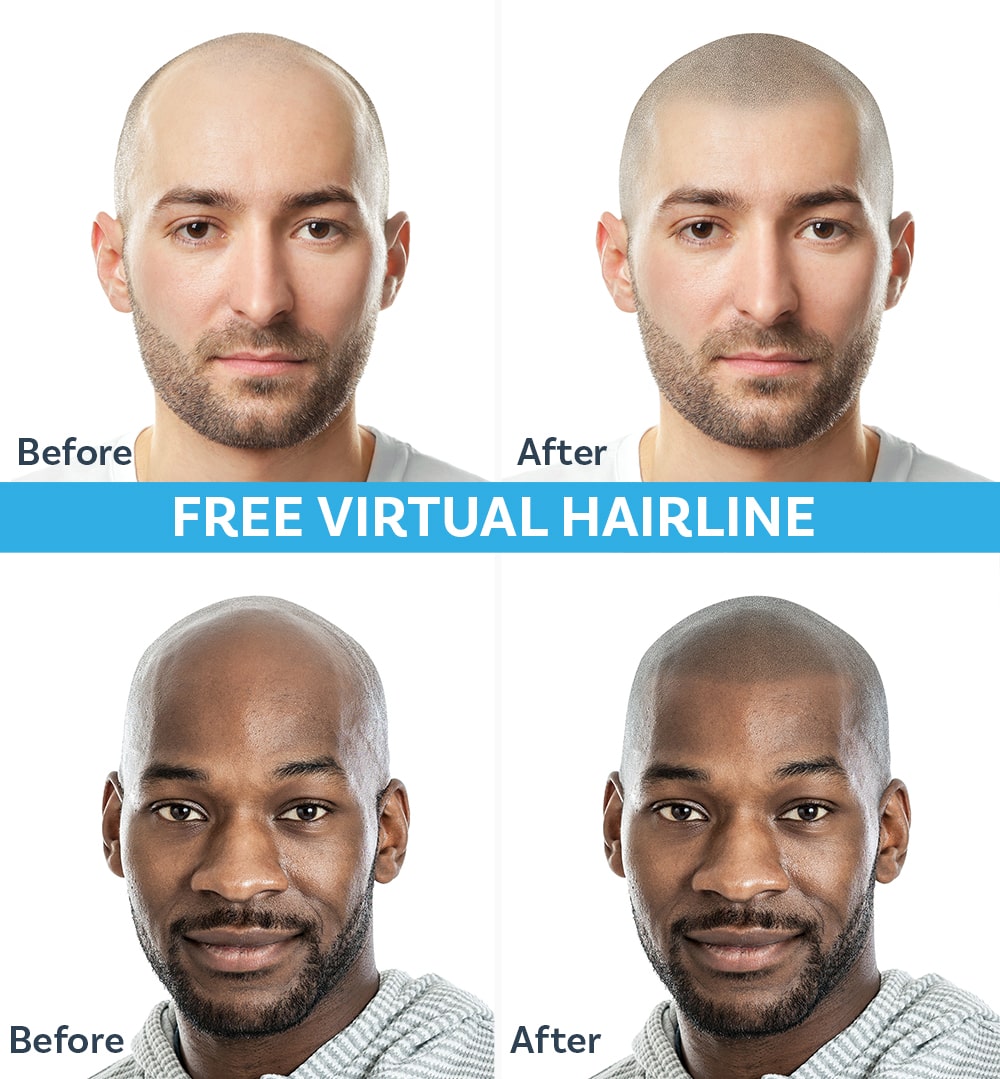
If greying hair is affecting your confidence, you are not without options. At Skalp, scalp micropigmentation offers a non-surgical, medication-free solution that restores the appearance of density and structure to the hairline and scalp—helping you look as confident as you feel.
How Skalp Can Help
Skalp (scalp micropigmentation) does not “reverse” greying—it redefines it.
By carefully applying pigment to the scalp, Skalp creates the appearance of fuller density, controlled hairlines, and a clean, sharp aesthetic. For individuals with salt-and-pepper or thinning grey hair, Skalp can:
-
Add visual density to reduce scalp contrast
-
Frame the hairline with precision
-
Create a sharper, more youthful silhouette
-
Deliver a consistent, low-maintenance appearance
Rather than masking age, Skalp enhances structure and confidence—helping your appearance align with how you feel.
Take the Next Step
Greying hair is natural. How you choose to respond to it is personal.
If you are comfortable embracing silver strands, that is a powerful choice. But if you feel your hair no longer reflects your confidence, energy, or professional presence, you have options.
Skalp provides a discreet, non-surgical solution designed to restore control over your appearance without daily maintenance or invasive procedures.
The next step is simple:
-
Book a consultation
-
Discuss your goals
-
Receive a tailored treatment plan
Confidence begins with alignment—between how you feel and what you see in the mirror.
If you’re ready to redefine your look on your terms, Skalp is here to help.
📍 Visit Skalp UK
📞 Book your consultation today
💬 Discover how scalp micropigmentation can restore your appearance—without surgery or medication