A Hair-Raising Cure for Baldness? The Future of Hair Loss Treatment
Hair loss and baldness affect millions of men and women worldwide. Whether it’s a receding hairline, thinning hair at the crown, or complete male pattern baldness, the psychological and emotional impact can be significant.
After years of incremental advances, new research into stem cells and hair follicle regeneration suggests we may be closer than ever to a true cure for baldness.
But how realistic is this breakthrough — and what does it actually mean for people struggling with hair loss today?
Stem Cell Research and Baldness: A Scientific Breakthrough
Scientists have long explored stem cell science as a potential treatment pathway for a wide range of diseases. Now, research using stem cells from mice has successfully created skin tissue containing fully formed hair follicles.
For the first time, researchers were able to grow natural hair structures that included both the:
-
Epidermis (outer skin layer)
-
Dermis (inner skin layer)
This matters because hair follicles are complex mini-organs. True hair regeneration requires correct interaction between multiple cell types and skin layers. Previous laboratory models could only replicate 5–6 cell types out of more than 20 found in real human skin. This latest development represents a major leap forward in hair follicle engineering.
Why Hair Follicle Regeneration Is So Complex
Hair growth is not simply about stimulating dormant follicles. Baldness — particularly androgenetic alopecia (male and female pattern hair loss) — involves:
-
Hormonal sensitivity (DHT)
-
Follicle miniaturization
-
Reduced growth cycles
-
Inflammation and scalp changes
Creating fully functional follicles in lab-grown skin tissue suggests that true follicle replacement, rather than temporary stimulation, could become possible in the future.
A Hair-Raising Revolution in Hair Loss Treatment
The work led by Professor Karl Koehler and his research team could potentially reshape the hair restoration industry.
If stem cell-derived hair follicles can:
-
Survive outside a laboratory environment
-
Integrate into human scalp tissue
-
Produce sustained hair growth cycles
Then we may be looking at a genuine regenerative cure for baldness, rather than a management solution.
However, it’s important to remain realistic.
What Still Needs to Happen Before a Cure for Baldness Becomes Reality
Before this breakthrough becomes a mainstream baldness treatment, several stages remain:
-
Long-term follicle survival studies
-
Human compatibility testing
-
Extensive clinical trials
-
Regulatory approval
This process can take years — sometimes over a decade. While early indicators are promising, stem cell hair regeneration is still in its developmental phase.
Could This End Male and Female Pattern Baldness?
If successful, stem cell therapy could potentially address:
-
Male pattern baldness (androgenetic alopecia)
-
Female pattern hair loss
-
Scarring alopecia
-
Severe thinning hair conditions
Unlike medications that slow hair loss progression, regenerative treatment could restore actual hair-producing follicles.
Additionally, this technology could reduce animal testing and improve research into skin diseases and skin cancer — making it significant beyond just hair restoration.
The Best Hair Loss Treatment Available Right Now
While the science develops, many people cannot afford to wait years for a cure.
If you’re currently experiencing baldness or thinning hair, you still have effective cosmetic and restorative options available today.
Scalp Micropigmentation (SMP): A Proven Solution for Baldness
Scalp Micropigmentation (SMP) is one of the most cost-effective and long-term solutions for hair loss.
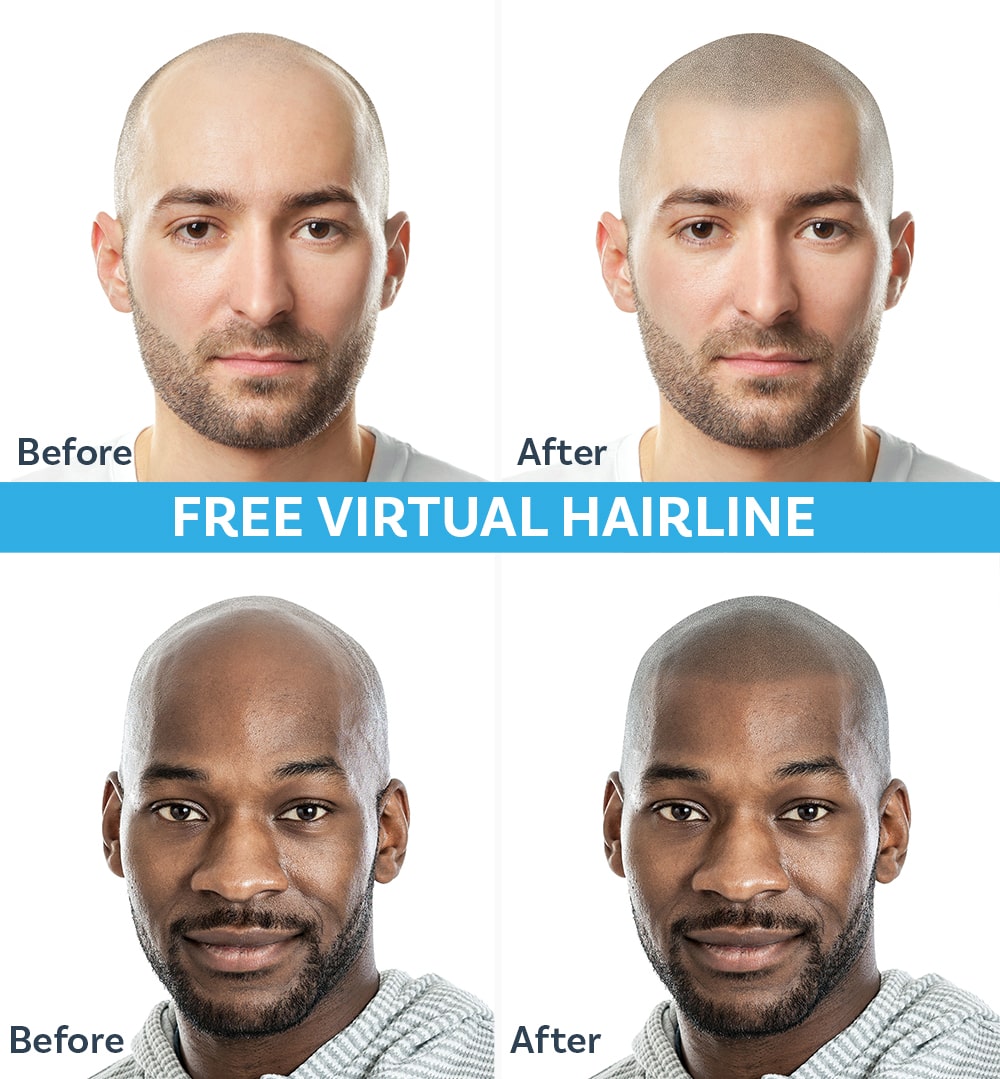
This advanced technique involves placing micro-pigment deposits into the scalp to replicate the appearance of natural hair follicles. The result is a realistic shaved-head look or enhanced hairline density.
SMP is suitable for:
-
Receding hairlines
-
Crown thinning
-
Complete baldness
-
Scar camouflage (including FUE/FUT transplant scars)
-
Alopecia sufferers
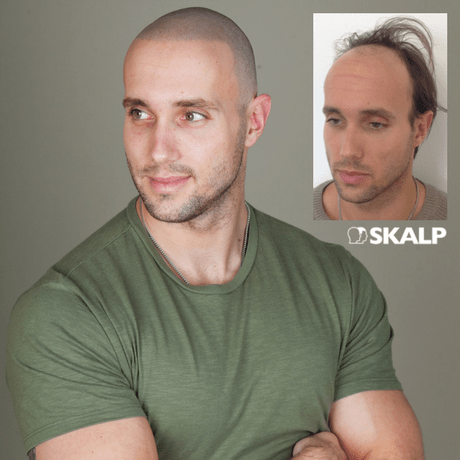
At Skalp®, we have provided scalp micropigmentation to thousands of clients across all stages of hair loss — from early thinning to advanced baldness. A professionally designed scalp hairline tattoo can restore confidence immediately, without surgery, medication, or downtime.
Managing Baldness: What Are Your Options?
Until a stem cell cure for baldness becomes available, your current options typically include:
1. Medications
-
Finasteride (DHT blocker)
-
Minoxidil (topical growth stimulant)
These can slow hair loss progression but require continuous use.
2. Hair Transplants
-
FUE (Follicular Unit Extraction)
-
FUT (Strip surgery)
These relocate existing follicles but do not create new ones.
3. Scalp Micropigmentation (SMP)
-
Non-surgical
-
Immediate visual results
-
Low maintenance
-
Long-lasting
For many individuals, SMP offers the most practical and predictable aesthetic solution available today.
Final Thoughts: Hope for a Cure, Solutions for Today
The future of baldness treatment is undeniably exciting. Stem cell research into hair follicle regeneration represents one of the most promising advances in decades. If successful, it could revolutionize how we treat male and female hair loss.
However, until regenerative medicine becomes clinically available, those experiencing baldness still have effective options to restore their appearance and confidence now.
If you’re exploring solutions for hair loss, consider your goals:
-
Do you want medical intervention?
-
Surgical restoration?
-
Or an immediate cosmetic transformation?
The science may be evolving — but you don’t have to wait to take control of your hairline today.
Top posts:
Scalp Micropigmentation Frequently Asked Questions
Shaving after SMP – Dos and Don’ts
Skalp® have clinics around the world. We have clinics in London and Manchester.