Hair loss is one of the most commercially exploited conditions in modern aesthetics. From miracle serums to “guaranteed” regrowth systems, the internet is saturated with claims that often blur the line between possibility and exaggeration. In some cases, the issue lies with the product itself. In others, it’s the way the outcome is presented — carefully edited imagery, selective testimonials, or unrealistic timelines that create expectations no treatment could reliably meet.
Recently, the issue was brought into sharp focus when the Advertising Standards Authority (ASA) banned a television advert from Zerring Hair Restoration. The ad suggested that three men achieved dramatically fuller heads of hair within approximately four months following a hair transplant procedure.
When Advertising Crosses the Line
Hair transplant surgery is a serious medical intervention, and it is not inexpensive. In the UK, procedures typically range from £3,000 to £40,000 depending on the clinic, surgeon, graft count, and complexity of the case. Because of the financial and emotional investment involved, advertising in this sector carries significant responsibility.
Following complaints from viewers, the ASA investigated the Zerring campaign. The findings were concerning:
-
The “clients” featured were actors
-
The men shown in the before shots were not the same individuals as those in the after shots
-
The voiceover testimonials were not genuine client statements
The ASA concluded that the advert misled viewers by implying results that the average consumer could expect, when in fact the representation was not authentic.
Incidents like this damage trust — not only in one clinic but across the wider hair restoration industry. For individuals already struggling with hair loss, misleading marketing adds confusion and can erode confidence in legitimate treatment options.
Transparency Matters in Hair Loss Solutions
At Skalp®, transparency is not a marketing angle — it is a core operating principle.
Unlike surgical interventions, Scalp Micropigmentation (SMP) is not a hair transplant and it does not claim to regrow hair. It is a highly specialised cosmetic procedure that creates the appearance of hair follicles through precise pigment application in the dermal layer of the scalp. The result is the illusion of a fuller hairline or closely shaved head.
This distinction is important.
Scalp Micropigmentation does not alter your biology. It does not stimulate dormant follicles. It does not promise regrowth. What it does provide is:
-
The visual effect of density
-
A restored, structured hairline
-
A low-maintenance aesthetic solution
-
Immediate improvement in overall presentation
Because expectations must align with reality, Skalp® ensures every client understands what the treatment can — and cannot — achieve.
Genuine Results, Real Clients
Rather than relying on actors or manufactured transformations, Skalp® showcases real clients who voluntarily share their experiences. Video testimonials are created by individuals who have undergone treatment and want to communicate how it has affected their confidence and daily life.
The focus is not on exaggerated “miracle” results. It is on measurable aesthetic improvement and psychological uplift.
Hair loss often impacts more than appearance. It can affect self-esteem, professional presence, and social confidence. By addressing the visual aspect effectively and honestly, Scalp Micropigmentation enables clients to take control of how they present themselves to the world.
Precision, Predictability and Control
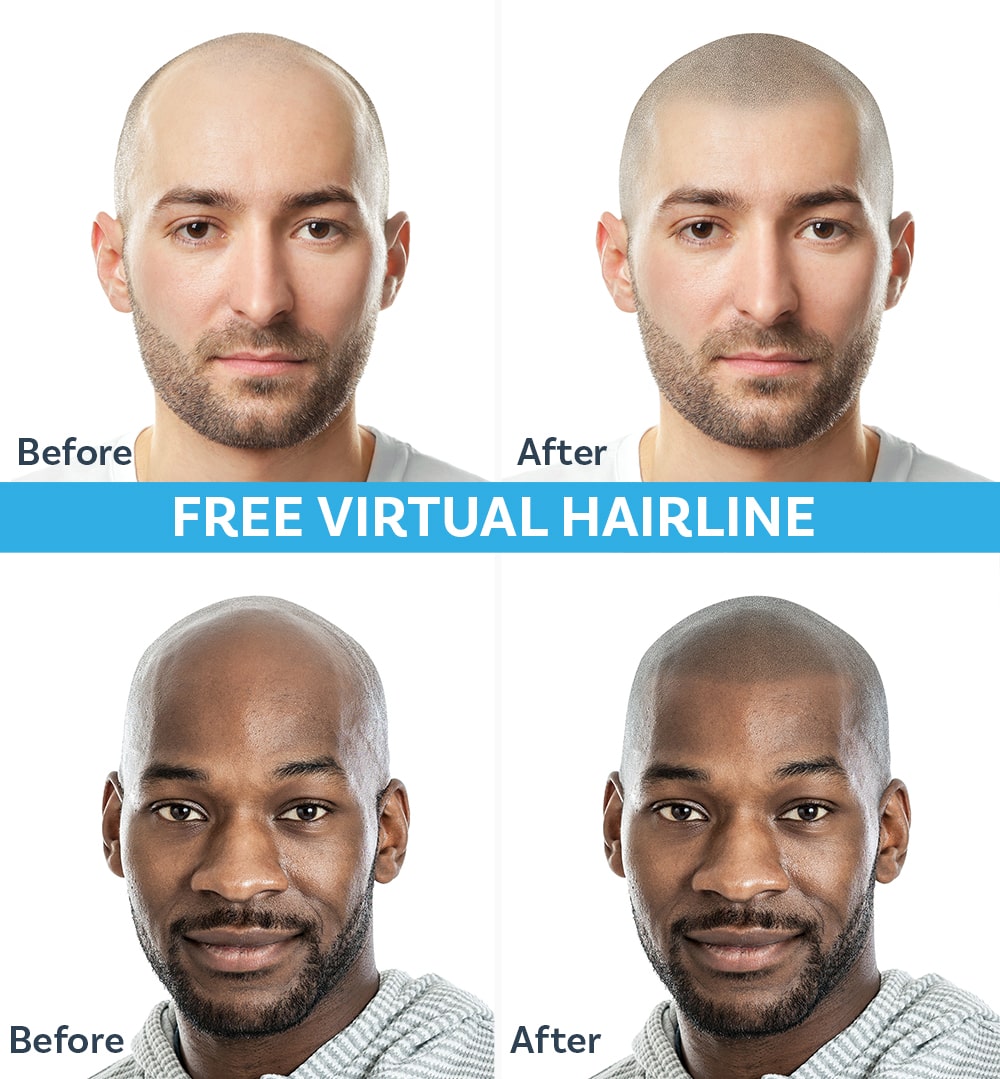
One of the advantages of Scalp Micropigmentation is its predictability. Before treatment begins, Skalp® can provide a realistic visual projection of the likely outcome. Clients can submit a photograph of themselves with a shaved head, allowing practitioners to simulate how the finished result may appear.
This process removes ambiguity and reduces anxiety. Clients are not asked to imagine a vague transformation — they are shown a carefully considered preview grounded in realistic parameters.
Unlike surgical procedures that involve healing variables and growth cycles, SMP delivers visible results progressively across sessions, with each stage carefully controlled.
Reframing the Conversation Around Hair Loss
Hair restoration should not rely on hyperbole. It should be grounded in ethics, evidence, and informed consent.
Scalp Micropigmentation represents a different category of solution. It is aesthetic rather than surgical. It does not compete with transplants; it offers an alternative pathway for those seeking immediate cosmetic improvement without invasive intervention.
In a market where overstatement has become common, clarity is powerful. Clients deserve accurate information, transparent expectations, and authentic representation of outcomes.
To learn more about how Scalp Micropigmentation can address hair loss and thinning concerns, explore the treatment options available at Skalp® and make an informed decision based on facts — not advertising fiction.

👉 Visit Skalp.com to get started. Your hair may be thinning — but your confidence doesn’t have to.
Top posts:
Scalp Micropigmentation Frequently Asked Questions
Shaving after SMP – Dos and Don’ts
Book an appointment for a complimentary consultation today