Can Stress Cause Hair Loss?
Yes, stress can cause hair loss. Ongoing stress affects your hormones, immune system and hair growth cycle. In the UK, more people now link mental health and physical symptoms — including thinning hair.
When you feel stressed, your body releases stress hormones. These hormones can disrupt normal hair growth and push more hairs into the resting or shedding phase. Over time, this can lead to noticeable thinning.
What Does the Research Say?
Researchers at Harvard University studied how stress affects hair growth. Their work focused on a stress hormone called corticosterone (in humans, the equivalent is cortisol).
The study found:
-
Stress hormones reduce production of a protein called GAS6
-
GAS6 supports hair follicle stem cells
-
When GAS6 levels drop, hair growth slows
The research was carried out on mice, so scientists cannot confirm the exact same process happens in humans. However, the biological pathways are very similar. This gives strong evidence that stress plays a direct role in some types of hair loss.
The Hair Growth Cycle Explained
Hair follicles move through three stages:
1. Anagen (Growth Phase)
Hair actively grows from the follicle. This phase can last several years.
2. Catagen (Transition Phase)
Growth stops. The follicle shrinks slightly but the hair stays in place.
3. Telogen (Resting Phase)
The follicle rests. Hair eventually sheds, and a new cycle begins.
High stress levels can push more hairs into the telogen phase too early. This condition is called telogen effluvium, and it often appears a few months after a stressful event.
Types of Stress-Related Hair Loss
Stress can trigger several conditions:
-
Telogen effluvium – temporary thinning across the scalp
-
Alopecia areata – patchy hair loss caused by immune response
-
Worsening of male or female pattern baldness
If stress continues for months, shedding can also continue.
How to Manage Stress and Hair Loss
If you notice sudden or excessive hair shedding, speak to your GP first. Blood tests can rule out thyroid issues, iron deficiency or other medical causes.
To reduce stress-related hair loss:
-
Improve sleep quality
-
Reduce caffeine and alcohol
-
Exercise regularly
-
Try counselling or CBT
-
Practise relaxation techniques
Addressing stress early can help restore normal hair growth.
Can Scalp Micropigmentation Help?
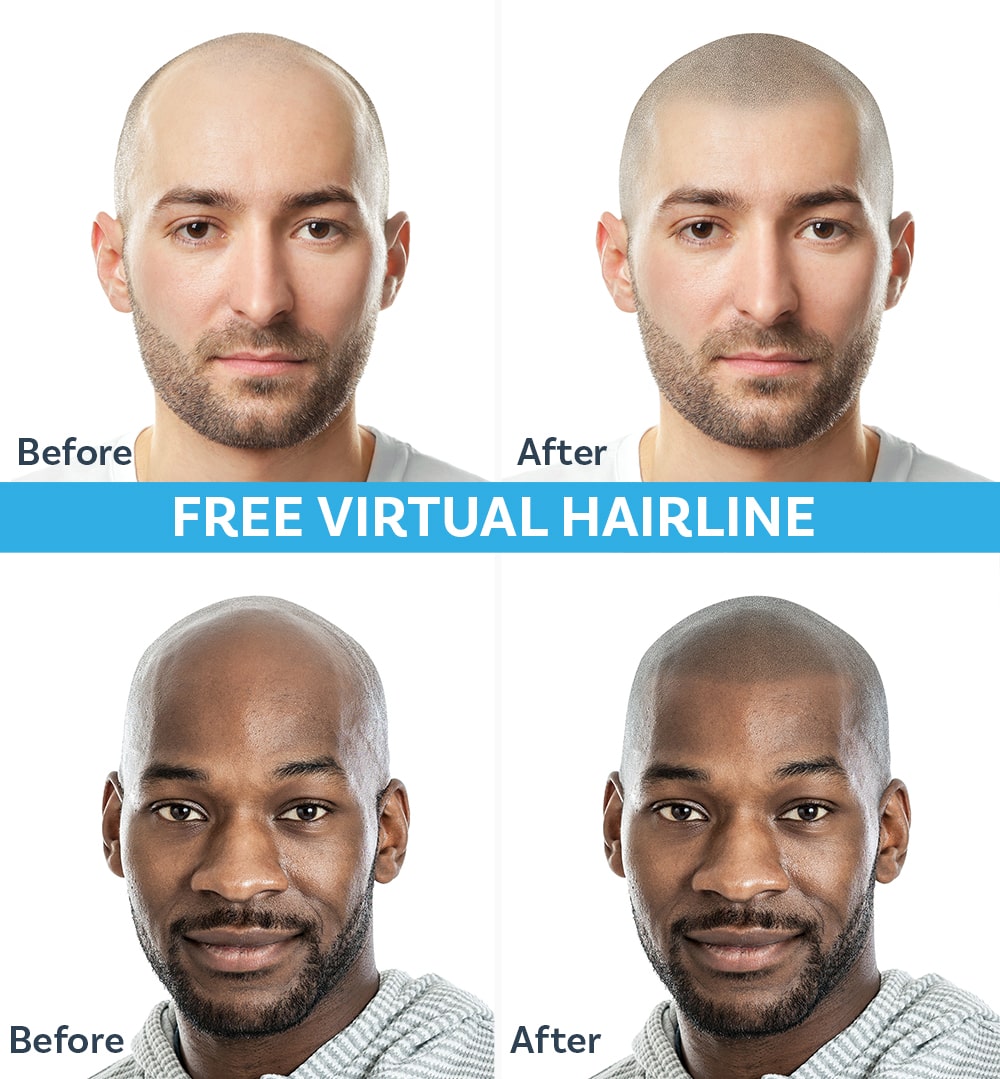
If stress has led to thinning hair or bald patches, scalp micropigmentation (SMP) offers a practical, non-surgical solution.
Scalp micropigmentation:
-
Creates the look of a fuller hairline
-
Camouflages thinning areas
-
Covers alopecia patches
-
Requires no surgery or recovery time
Unlike hair transplants, SMP does not damage existing follicles. It provides immediate cosmetic improvement and long-lasting results.
Many clients say restoring their hairline also improves confidence — which can help break the stress cycle.

Final Thoughts on Stress and Skalp Health
Chronic stress impacts the body systemically — and the skalp is no exception. From hormonal shifts to inflammatory responses and behavioral habits, prolonged tension can disrupt normal hair growth patterns.
Addressing stress at its source, improving circulation, and maintaining proper skalp care are essential strategies for protecting follicular health. For visible thinning, modern cosmetic treatments such as scalp micropigmentation provide effective aesthetic correction. We have clinics in London and Manchester.