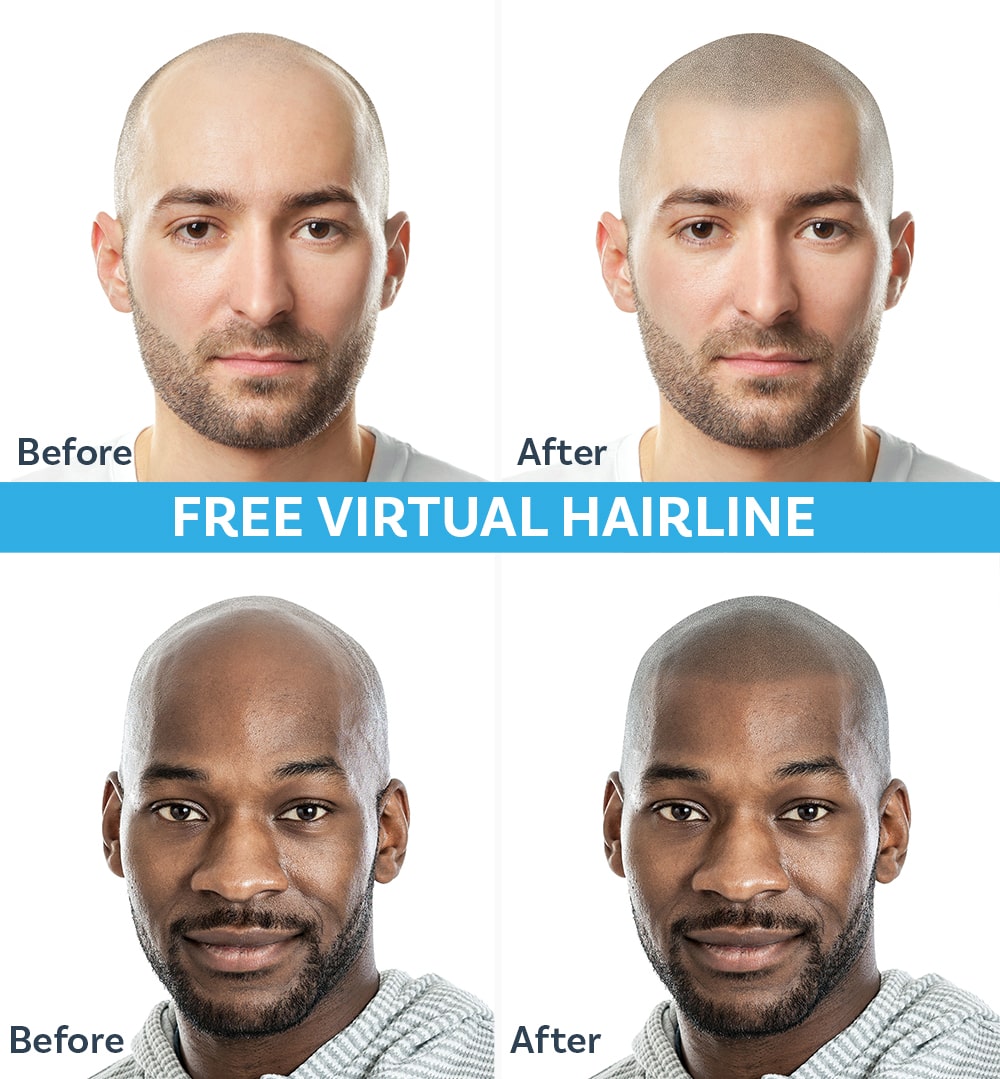
Hair restoration is a multi-billion-pound industry. Clinics promise life-changing density. Celebrities showcase dramatic transformations. Social media feeds are filled with “before and after” photos.
But there’s a conversation most clinics avoid: hair transplants have structural limitations that many patients only discover after surgery.
At our clinics, we are strong advocates of Scalp Micropigmentation (SMP) — not simply as a commercial preference, but because our practitioners have personally experienced hair loss treatments themselves. We understand the expectations, the financial commitment, and the emotional investment involved.
We also provide free, impartial advice — including consultations for individuals seeking corrective work after unsuccessful hair transplants. The volume of repair cases we see tells a consistent story: expectations are often misaligned with biological reality.
Let’s examine why.
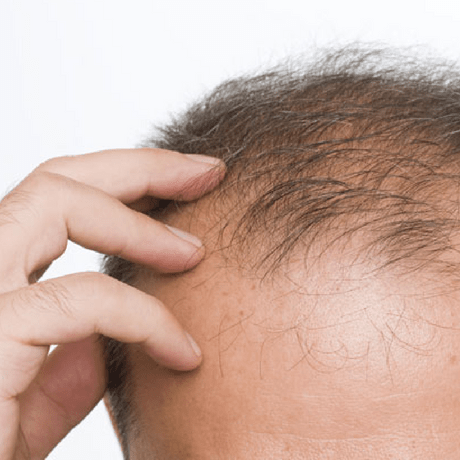
The Density Illusion: Why the Numbers Don’t Add Up
Hair transplant marketing frequently emphasises graft numbers — 2,000 grafts, 3,000 grafts, even 4,000+ grafts. It sounds impressive.
However, consider the mathematics.
Most procedures use either:
-
FUE (Follicular Unit Extraction)
-
FUT (Follicular Unit Transplantation)
In a typical session, approximately 2,000–2,500 grafts are harvested and redistributed. Even in larger sessions, the upper range is usually around 4,000 grafts.
The problem?
A natural, full head of hair contains roughly 100,000 follicles.
Attempting to create the appearance of high density using only a few thousand redistributed follicles creates a visible disparity. Even when the surgery is technically successful, the cosmetic density often falls short of expectations.
To visualise this:
Imagine a stadium that seats 50,000 people.
If only 5,000 spectators are present, it still looks largely empty.
The same principle applies to transplanted density.
Even in best-case scenarios, we rarely see more than 40–50% graft survival rates translate into aesthetically convincing coverage. Many clients report thinness, visible scalp, or unnatural spacing once healing is complete.
The Growth & Texture Issue
Density is only one factor.
Transplanted hair can also present:
-
Growth in unnatural directions
-
Irregular angling
-
Coarser or wiry texture
-
Noticeable contrast with native hair
While surgeons aim to replicate natural patterns, grafts do not always behave identically to original follicles. The tactile difference — how the hair feels — can be just as important as how it looks.
Hair restoration is not solely about coverage. It is about realism.
The Donor Limitation Problem
Another overlooked issue is finite donor supply.
Hair is typically harvested from the back and sides of the scalp — areas genetically resistant to hair loss. However:
-
Donor areas are limited
-
Overharvesting can cause visible thinning
-
Progressive hair loss may continue around transplanted zones
This often leads to additional surgeries, increased cost, and diminishing returns over time.
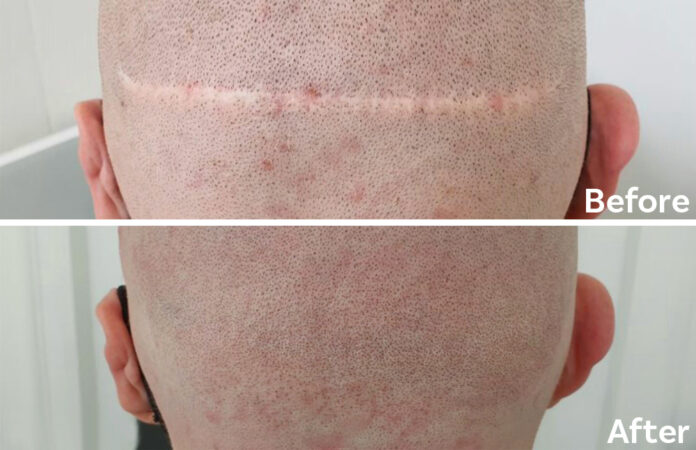
Why Many Clients Explore SMP After Transplant Surgery
Top Related Posts:
5 Celebrity Hair Transplants In The News Now