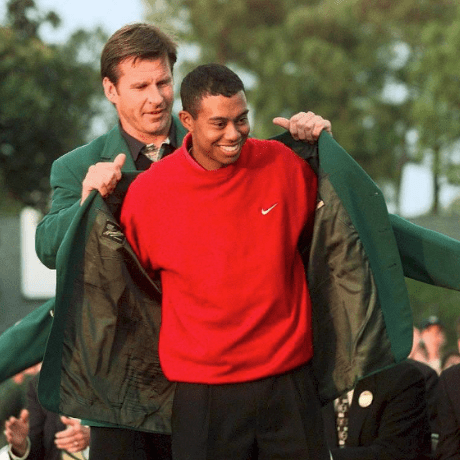
On Sunday, May 14, the world watched Tiger Woods complete one of the greatest sporting comebacks in history at the Masters Tournament.
After 11 years without a major championship, he lifted the trophy once again — backed by a roaring crowd and global admiration.
But while his golfing redemption made headlines, something else about Tiger has long been discussed: his hair loss journey.
His iconic red polo and black cap are instantly recognisable. Yet when the cap comes off, his receding hairline has been highly visible for years — and he has never shied away from it.
This openness has sparked ongoing discussion around male pattern baldness and, more recently, modern solutions like scalp micropigmentation (SMP).
Tiger Woods’ Hair Loss Journey
Tiger burst onto the golf scene in 1997 with a full head of hair and undeniable dominance. Over time, however, visible thinning developed at the temples and crown — classic signs of androgenetic alopecia (male pattern baldness).
By 2015, his receding hairline became widely discussed in the media, coinciding with personal and professional challenges. Speculation about a possible hair transplant surfaced, though nothing was confirmed.
Tiger himself addressed his balding candidly:
“I’m comfortable with it; my hairline’s not… I’m fighting the cause. I’m fighting it hard. It’s a no-win fight, but I’m hanging in there.”
Unlike many public figures who pursue discreet cosmetic procedures, Tiger has largely embraced the change — continuing to compete at the highest level while openly acknowledging hair loss.
Why Tiger Woods Hair Loss Resonates With So Many Men
Hair loss affects over 50% of men by age 50. Even elite athletes with access to world-class medical care are not immune.
Tiger’s experience highlights a key truth:
Hair loss is genetic, progressive, and common — regardless of status or wealth.
Many men either:
- Consider hair transplant surgery
- Try medications like finasteride or minoxidil
- Shave their head
- Or look for a non-surgical alternative
This is where scalp micropigmentation enters the conversation.
What Is Scalp Micropigmentation?
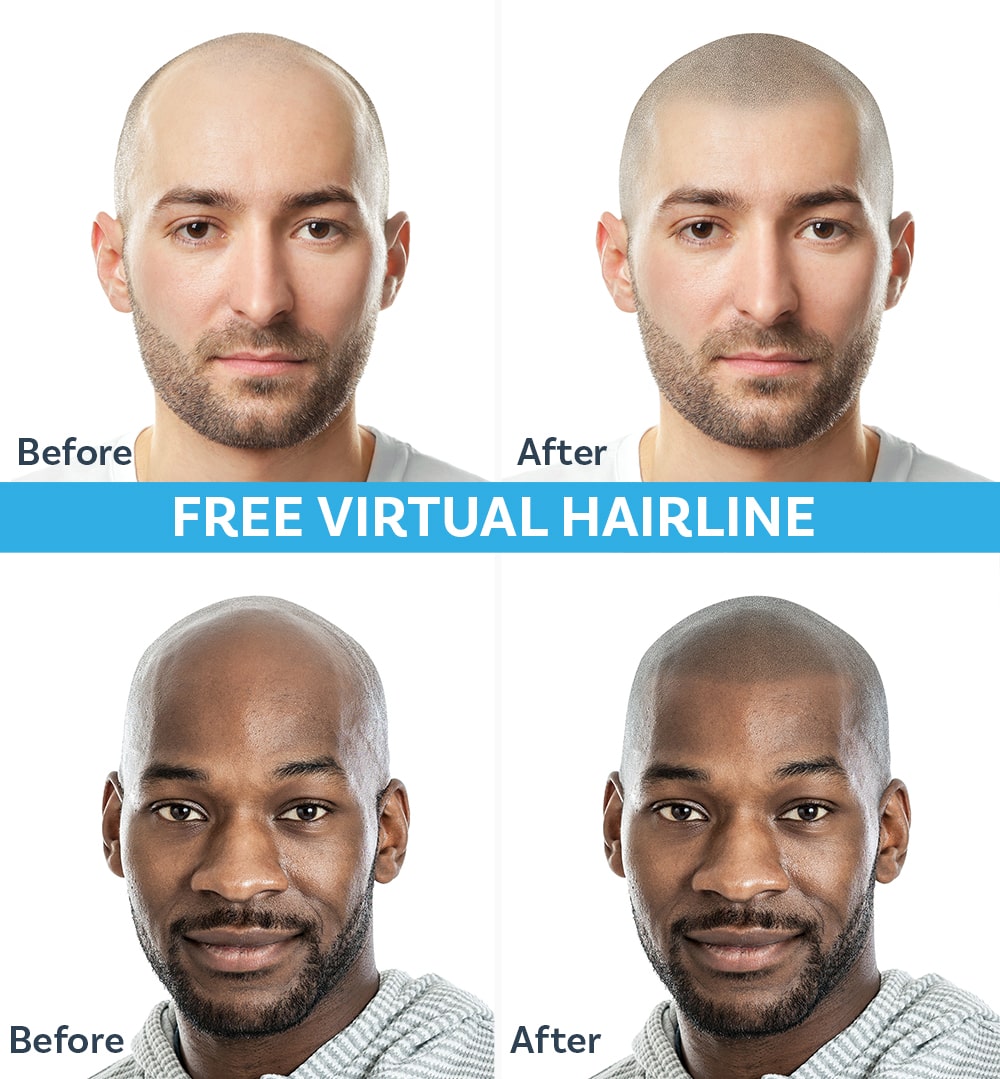
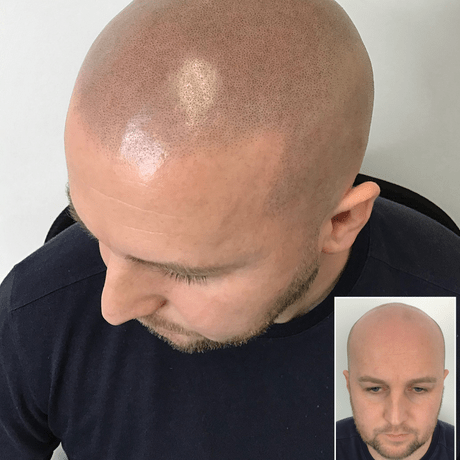
Scalp Micropigmentation (SMP) is a non-surgical hair loss solution that replicates the appearance of natural hair follicles using specialised pigment and precision micro-needles.
It creates the look of:
- A sharp, defined shaved hairline
- Increased density for thinning areas
- Concealed scars from hair transplants
- A fuller crown
Unlike hair transplants, SMP:
- Requires no surgery
- Has minimal downtime
- Delivers immediate visual density
- Does not rely on donor hair
For someone like Tiger — who often wears his hair very short — SMP could create the appearance of a fuller, stronger hairline without surgery.
Why More Men Are Choosing Scalp Micropigmentation
Modern men want solutions that are:
- Low maintenance
- Discreet
- Long-lasting
- Natural-looking
- Cost-effective
Scalp micropigmentation offers all of these benefits.
For men who have accepted shaving their head, SMP enhances the look by adding structure and symmetry — transforming baldness into a deliberate, confident style.
Embracing Hair Loss vs. Restoring Confidence
Tiger Woods’ openness about balding is refreshing. It shows that confidence doesn’t depend on hair.
However, not every man feels the same.
For some, hair loss affects:
- Self-esteem
- Dating confidence
- Professional image
- Social comfort
Scalp micropigmentation isn’t about insecurity — it’s about control.
It gives men the choice to define their appearance on their own terms.
Is Scalp Micropigmentation Right for You?
You may be a good candidate if you:
- Have a receding hairline
- Are thinning at the crown
- Want to recreate a hairline
- Have visible transplant scars
- Prefer a shaved head look
- Want a non-surgical solution
Unlike medications, SMP does not attempt to regrow hair. Instead, it creates the appearance of density — instantly.
FAQs About Scalp Micropigmentation
Does scalp micropigmentation look natural?
Yes. When performed by an experienced practitioner, the pigment replicates real hair follicles with precise size, depth, and tone.
How long does SMP last?
Results typically last 4–6 years before a minor touch-up is required.
Is scalp micropigmentation painful?
Most clients describe the sensation as mild discomfort, similar to a light tattoo.
Is SMP better than a hair transplant?
It depends on your goals. SMP is non-surgical, more affordable, and ideal for men who prefer a close-shaved look.
Final Thoughts
Tiger Woods’ hair loss journey reminds us that even global icons experience male pattern baldness.
Confidence isn’t defined by hair.
But for men who want to restore the appearance of a strong hairline without surgery, scalp micropigmentation offers a modern, effective solution.
If you’re ready to take control of your hair loss and regain confidence, scalp micropigmentation may be the step forward.
We have clinics in London and Manchester.
Book an appointment for a complimentary consultation today
Top Related Posts:
John Travolta Goes Bald And So Can Too
Receding Hairline In Your 20s? 4 Hair Loss Solutions To Consider