Alopecia Areata is a serious type of hair loss. It can affect the scalp and even the eyebrows. In most cases, it happens when the immune system attacks the hair follicles. However, in some people, extreme stress can also play a part. The good news is that it can be treated.
Both men and women can develop alopecia. In fact, more people seem to be affected today than in the past. According to the NHS, around 8 million women in the UK experience some level of hair loss. This can happen for many different reasons.
What Is Alopecia Areata?
First of all, alopecia simply means hair loss. In fact, the word itself means “loss of hair.” Overall, about 1 in 1,000 people are affected.
It can happen to anyone, at any age. In many cases, it affects children and teenagers. Both men and women can experience it. However, men are often affected at a younger age, while women are more likely to notice it later in life.
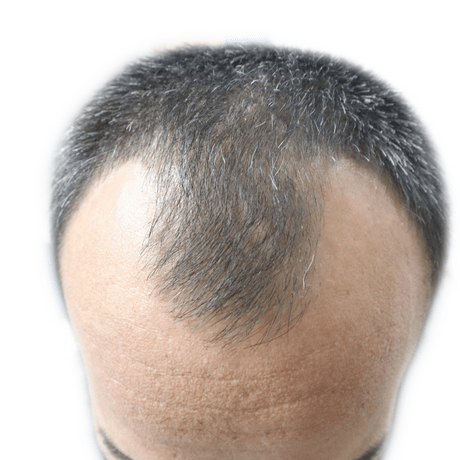
In some cases, Alopecia Areata can lead to total baldness. However, it is sometimes temporary, and the hair may grow back on its own. In other cases, the hair loss can be permanent. Even so, hair regrowth treatments can often help.
What are the symptoms of Alopecia Areata?
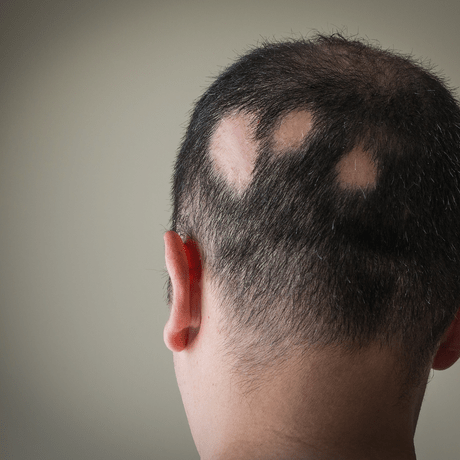
Some of the first symptoms are a drastic, sudden loss of hair. Sometimes the hair comes out in clumps. The clumps leave behind bald patches that are usually round. These patches develop quickly and continue to grow.
The scalp, despite the hair loss, will still appear clear and healthy. There might be some redness and some people also feel some itchiness or mild burning accompanying the loss. The disease is hard to predict as far as progression goes. It can be that it develops into complete baldness. It is best to seek the help of a doctor as soon as the unusual hair loss is noted.
Other Indications Of Alopecia
Sometimes, the hair grows back on its own. However, this can take several months. At first, the new hair may look white or grey. Over time, though, the natural colour often returns.
In other cases, one bald patch may appear and nothing else happens for a few weeks. Then, while that patch starts to regrow, another patch may form. Sometimes, smaller patches can join together and become larger.
Alopecia can also affect eyebrows, eyelashes, and beards. When all scalp hair is lost, it is called alopecia totalis. Furthermore, when all body hair is lost, it is called alopecia universalis.
The good news is that treatments are available. So, if you notice symptoms, there is no need to panic. Many people also use wigs or hair extensions to cover hair loss. As a result, this can help reduce embarrassment and stress, which may otherwise make the condition worse.
Finally, if you notice large clumps of hair in the shower or in your hairbrush, speak to a doctor as soon as possible. A proper diagnosis is important, because the right treatment depends on it.
We have found many self help forums and guides. We love the support and care that Alopecia World offers.
At Skalp we offer fantastic treatments for people suffering from Alopecia and a whole host of hair loss issues.
We have clinics in London and Manchester.
Top Related Posts:
8 Hair Loss Facts You Need To Know