When Will There Be a Cure for Hair Loss?
For decades, hair loss has been one of the most researched—and most emotionally charged—cosmetic and medical concerns worldwide. From ancient remedies to modern pharmaceuticals, people have continuously searched for a definitive cure. Despite countless products making bold claims and promising miraculous regrowth, the reality is that there is currently no true cure for hair loss.
So the question remains: how close are we really to a cure for hair loss—and what should people do in the meantime? To answer that, we need to look closely at the science, the limitations of current research, and the solutions that actually work today.
What Kind of Hair Loss Research Is Currently Underway?
It can feel like every few weeks there’s a headline claiming scientists are “on the verge” of curing baldness. These stories often generate excitement, especially for the millions of men affected by male pattern baldness (androgenetic alopecia). However, most of this research is still in early laboratory or animal-testing phases and is far from being available to the public.
Hair loss is complex. It can be influenced by genetics, hormones, immune responses, ageing, inflammation, and environmental factors. Because of this complexity, researchers are exploring multiple angles rather than a single silver-bullet cure.
Below are some of the most talked-about areas of hair loss research today.
1. KROX20 Protein and the SCF Gene
Researchers at the University of Texas identified a protein known as KROX20, which plays a key role in activating hair follicle stem cells. Essentially, this protein acts as a biological “switch,” telling certain skin cells to begin the hair growth process.
KROX20 is also responsible for producing Stem Cell Factor (SCF), which is crucial for hair pigmentation. When SCF production stops, hair can turn grey or white.
While this discovery has helped scientists better understand how hair grows and loses colour, it does not yet translate into a treatment. Turning this biological insight into a safe, effective therapy would require years—if not decades—of development and testing.
2. The Genetics of Male Pattern Baldness
A major breakthrough came from researchers at the University of Edinburgh, who identified 287 genetic markers linked to male pattern baldness. Using this data, they developed a predictive algorithm that could potentially identify individuals at risk of hair loss at an early age.
This research is valuable for understanding who is likely to lose hair and when, but it does not prevent or reverse hair loss. At best, it may allow earlier intervention—but it does not represent a cure.
3. Faulty Immune Cells and Hair Loss
Scientists at the University of California, San Francisco discovered that a specific immune cell known as regulatory T cells (Tregs) plays an important role in hair follicle regeneration.
When these immune cells malfunction, hair follicles may fail to regenerate properly, contributing to hair loss. This discovery is particularly relevant for autoimmune-related hair loss conditions.
However, manipulating the immune system safely is extremely complex. Treatments in this area are still high-risk, experimental, and a long way from clinical use.
4. Stem Cell Research
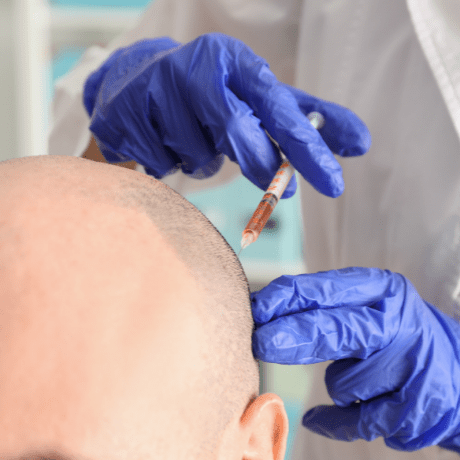
Stem cells are often presented as the future of regenerative medicine, and hair loss is no exception. Researchers at the Sanford Burnham Prebys Medical Discovery Institute have demonstrated techniques to create hair follicle-like structures using stem cells.
While this sounds promising, it’s important to be realistic:
-
Evidence is extremely limited
-
Human trials are minimal or non-existent
-
Long-term safety is unknown
-
Costs would likely be extremely high
At present, stem cell hair regeneration remains theoretical rather than practical.
So, Will There Be a Cure for Hair Loss Anytime Soon?
Despite exciting scientific discoveries, the honest answer is: not in the near future.
Most hair loss research is still in early-stage development. Even if a genuine breakthrough occurred tomorrow, it would still require years of clinical trials, safety testing, regulatory approval, and real-world validation before becoming publicly available.
Hair follicles are biologically complex, and reversing long-term follicle miniaturisation—especially in genetic hair loss—has proven incredibly difficult.
What Hair Loss Solutions Are Available Right Now?
While science works toward long-term answers, people experiencing hair loss need real, reliable solutions today. Below are the most common options currently available.
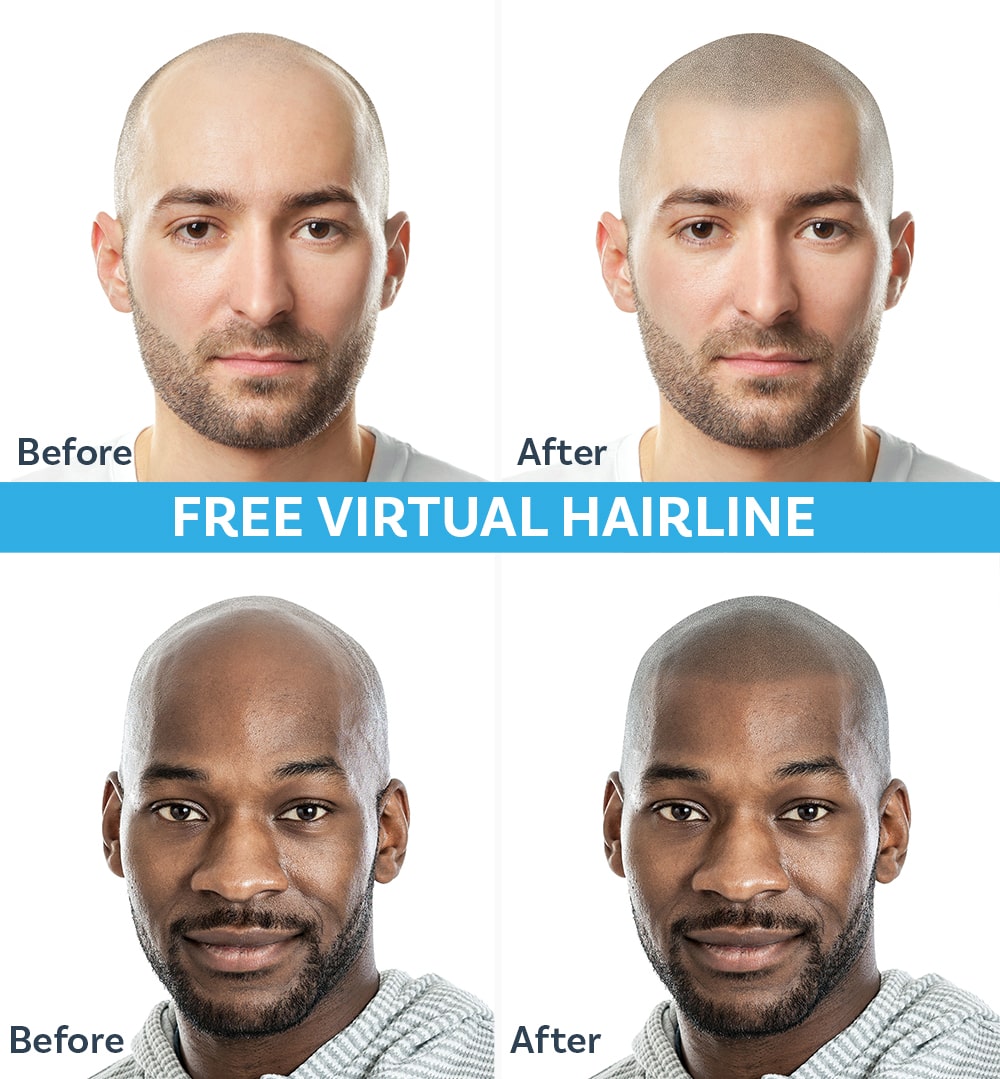
Scalp Micropigmentation (SMP)
Scalp micropigmentation is widely regarded as the most effective non-surgical hair loss solution available today.
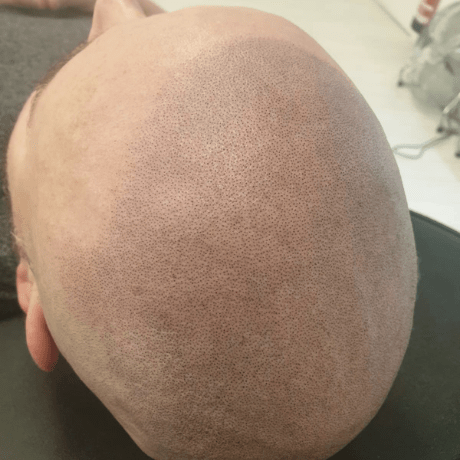
SMP involves applying specialised pigment to the scalp to replicate the appearance of natural hair follicles. The result is a realistic shaved-head look or the illusion of increased density in thinning areas.
Key benefits include:
-
Non-surgical and non-invasive
-
Immediate, visible results
-
No ongoing medication
-
No hormonal or sexual side effects
-
Long-lasting and low maintenance
-
Suitable for all stages of hair loss
Rather than attempting to regrow hair that may never return, SMP works with your scalp to restore confidence and appearance—reliably and safely.
Oral Finasteride
Finasteride works by blocking the enzyme 5-alpha reductase, which reduces the production of DHT, the hormone primarily responsible for male pattern baldness.
While some users experience slowed hair loss or modest regrowth, the drug comes with notable risks. Reported side effects include:
-
Erectile dysfunction
-
Reduced libido
-
Mood changes
Results are inconsistent, and hair loss typically resumes once the medication is stopped.
Topical Minoxidil
Minoxidil (commonly sold as Rogaine) is applied directly to the scalp as a liquid, foam, or spray. It is intended to increase blood flow to hair follicles, potentially extending the growth phase of hair.
However:
-
Results are often minimal
-
Any regrowth is temporary
-
Continuous use is required
-
Side effects can include scalp irritation and sexual side effects
Conclusion: Reality Over Hype
Science continues to push boundaries, and hair loss research is no exception. Important discoveries are being made—but a true cure for hair loss remains a distant goal, not an imminent reality.
Pharmaceutical treatments come with side effects and uncertain outcomes. Hair transplants are invasive, expensive, and often fail to deliver natural-looking, lasting results.
That’s why more people are choosing scalp micropigmentation—a proven, safe, and effective solution that delivers immediate results without compromising health or quality of life.
If you’re tired of waiting for a cure that may never arrive, it may be time to explore what scalp-focused solutions can do for you right now.
We have clinics in London and Manchester.
Book an appointment for a complimentary consultation today
Top posts:
Scalp Micropigmentation Frequently Asked Questions
Shaving after SMP – Dos and Don’ts
Why stress can make you lose your hair
New Year, New You: 7 Everyday Winter Habits That Could Be Sabotaging Your Hair and Scalp Health