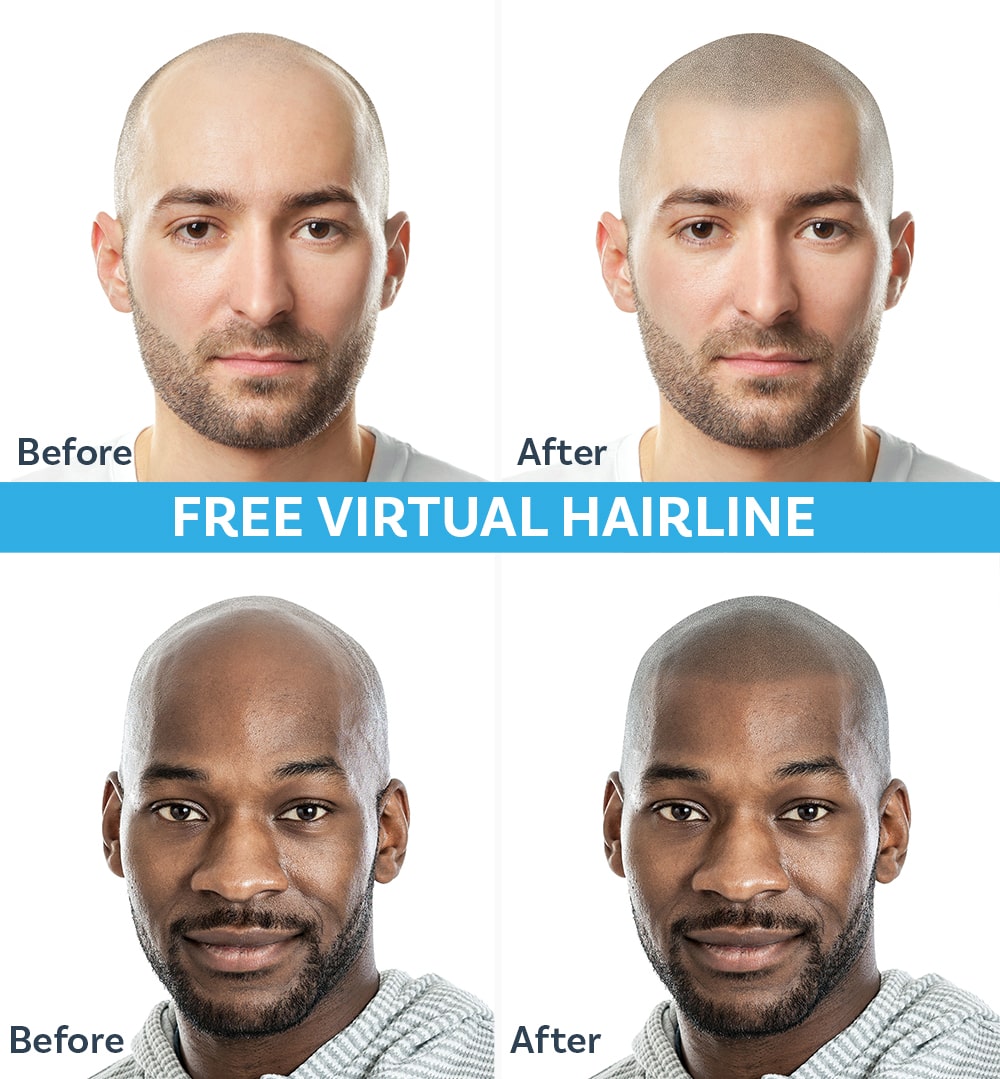
Hair loss or thinning hair often affects confidence — and for many people it creates the impression of ageing faster than they feel.
This is one reason scalp micropigmentation (SMP) has become such a popular solution. By recreating the look of natural hair follicles, SMP can restore a sharper hairline and a younger appearance almost instantly.
But an important question people often ask before treatment is:
Does hair loss tell us something about overall health?
In some cases — yes. Hair thinning is not always cosmetic. Sometimes it can be linked to hormonal changes, circulation, or underlying medical conditions.
Below we explain the most common health associations with hair loss and when to seek medical advice before booking your SMP consultation.
Male Pattern Baldness & Hormones
Research has shown a relationship between androgens (male hormones) and pattern hair loss.
Men with higher sensitivity to DHT (dihydrotestosterone) tend to develop receding hairlines and crown thinning earlier.
Hormones that influence hair follicles also affect other tissues in the body — which is why doctors sometimes study correlations between balding patterns and long-term health risk.
Important: Hair loss alone does not diagnose disease — however, it can be an early indicator worth discussing with your GP.
Type 2 Diabetes and Hair Thinning
Type 2 diabetes often develops slowly and can go undiagnosed for years. During that time, high blood sugar can damage small blood vessels.
When blood flow to the scalp decreases, hair follicles don’t get the oxygen and nutrients they need. As a result, the growth cycle weakens and hair gradually thins.
Other signs of diabetes may include:
-
Slow wound healing
-
Tingling in hands or feet
-
Increased thirst
If hair thinning appears alongside these symptoms, book a medical check.
Irregular Periods & Female Hair Loss
Women who notice thinning around the parting may have a hormonal imbalance.
Higher androgen levels can shrink hair follicles and slow growth. This hormone shift may also link to:
-
Irregular menstrual cycles
-
Polycystic ovary syndrome (PCOS)
-
Fertility changes
For this reason, doctors often recommend hormone testing when thinning seems sudden or unusual.
Once hormones stabilise, many women choose Scalp Micropigmentation (SMP) to add the look of density — without surgery or shaving.
Thyroid Disorders
Your thyroid controls metabolism and supports the hair growth cycle. When it becomes overactive or underactive, shedding can increase.
Both conditions can trigger hair loss:
-
Hypothyroidism (underactive thyroid)
-
Hyperthyroidism (overactive thyroid)
Thyroid-related hair loss usually affects the entire scalp. Instead of bald patches, the hair simply looks thinner overall.
Heart & Circulation Health
Some research suggests men with advanced pattern baldness may face a higher risk of cardiovascular issues.
Scientists believe hormone sensitivity and blood vessel function may link the two. However, baldness does not cause heart disease. Instead, both conditions may share similar biological pathways.
If you have additional risk factors, consider a broader health check.
Autoimmune Conditions
Autoimmune disorders can also cause hair loss. In these cases, the immune system attacks the hair follicles directly.
Examples include:
-
Alopecia areata
-
Lupus
This type of hair loss often appears in patches. Once doctors stabilise the condition, SMP can restore the look of density.
Prostate Changes
Hormones that affect scalp follicles also influence prostate tissue. Because of this, researchers continue to study links between male pattern baldness and prostate enlargement.
Again, baldness does not cause prostate problems. However, shared hormone pathways may explain the connection.
When Is Scalp Micropigmentation Suitable?
SMP works best when:
-
Hair loss has stabilised
-
Doctors have diagnosed or managed medical causes
-
You want a non-surgical solution
-
You want immediate cosmetic improvement
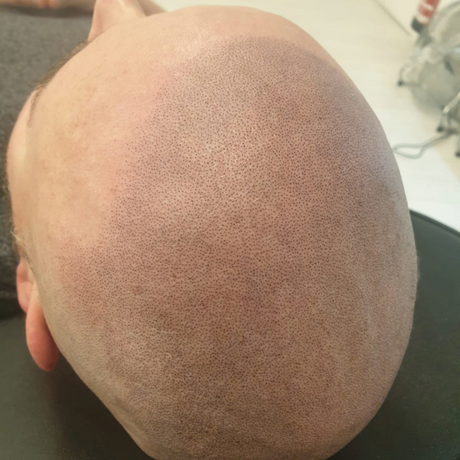
Unlike hair transplants, SMP does not rely on donor hair. Instead, it uses medical-grade pigment to replicate the look of natural follicles.
Benefits of Scalp Micropigmentation
As a cosmetic solution, SMP offers several advantages:
-
Immediate visual density
-
Defined hairline restoration
-
No downtime
-
Suitable for men and women
-
Effective for alopecia and scar camouflage
-
Low maintenance
Therefore, for many individuals, it represents a practical and predictable aesthetic intervention.
Final Advice
Hair loss is extremely common and, in most cases, genetically driven. However, sudden, rapid, or unusual shedding should always be assessed by a GP before pursuing cosmetic treatment.
Once underlying causes are ruled out or properly controlled, scalp micropigmentation offers one of the most reliable long-term aesthetic solutions currently available.
We have clinics in London and Manchester
Book an appointment for a complimentary consultation today
Top posts:
Scalp Micropigmentation Frequently Asked Questions
The darker side of hair extensions
Shaving after SMP – Dos and Don’ts
The Future of Hair Health: How New Scalp Ingredients and Scalp Micropigmentation Work Together