

How to Prevent Baldness: Expert Hair Loss Prevention Guide

preventing baldness

Preventing Baldness: How to Stop Hair Loss Before It Starts

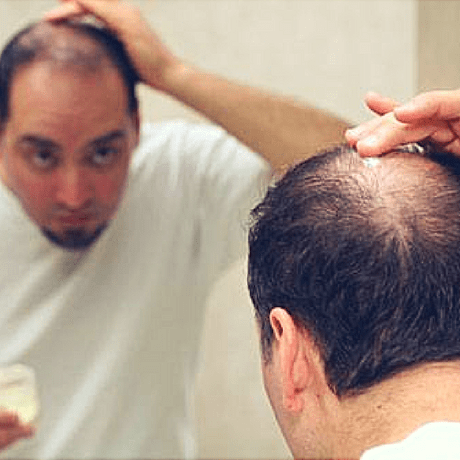
Hair loss is rarely sudden. In most cases, the signs appear gradually — thinning at the temples, increased shedding in the shower, or a widening parting. The problem is that many people wait until the condition has progressed before taking action.

Early intervention dramatically increases your options.

At Skalp®, we’ve created a three-part series covering the essential phases of managing hair loss:

  1. Prevention

  2. Treatment

  3. Enhancement

In this first article, we focus on how to prevent baldness and slow hair loss before it becomes advanced.


1. Prioritise Daily Hair & Scalp Care

Consistent care is your first line of defence.

When you pay attention to your scalp health, you’re far more likely to spot early warning signs such as:

  • Increased shedding

  • Itching or inflammation

  • Thinning patches

  • Changes in hair texture

Using the correct shampoo and conditioner for your hair type supports follicle strength and scalp balance. Look for products that:

  • Support scalp hydration

  • Avoid harsh sulphates

  • Promote circulation

  • Strengthen the hair shaft

Healthy follicles produce stronger, thicker hair. Neglected scalps often contribute to avoidable thinning.


2. Optimise Your Diet for Hair Growth

Vitamins

Hair is biologically non-essential tissue, meaning your body prioritises vital organs before hair growth. Poor nutrition often shows up first in your hair.

Key nutrients linked to hair health include:

  • Omega-3 fatty acids – Found in oily fish; support scalp health and reduce inflammation

  • Vitamin C – Supports collagen production (important for hair structure); found in strawberries and citrus fruits

  • Protein – Hair is made of keratin, a protein; adequate intake is critical

  • Zinc & Iron – Deficiencies are frequently linked to shedding

  • Pumpkin seeds – Rich in zinc and beneficial micronutrients

A balanced diet is not just good for your body — it is foundational for preventing hair thinning.


3. Reduce Chronic Stress

Man doing yoga

Chronic stress can trigger or worsen several forms of hair loss, including telogen effluvium and accelerated pattern baldness.

When the body is under prolonged stress:

  • Cortisol levels rise

  • The hair growth cycle is disrupted

  • More follicles enter the shedding phase

If stress is persistent, it must be addressed for both physical and mental wellbeing. Consider:

  • Regular exercise

  • Structured downtime

  • Professional counselling

  • Open conversations with trusted individuals

Hair health reflects overall health.

4. Avoid Traction Alopecia

Certain hairstyles place continuous tension on hair follicles. Over time, this can cause traction alopecia — a preventable form of hair loss.

Common high-risk styles include:

  • Cornrows

  • Dreadlocks

  • Tight ponytails

  • Braids worn continuously

Constant pulling weakens follicles and can eventually lead to permanent damage.

Prevention strategy:

  • Rotate hairstyles

  • Avoid excessive tension

  • Give your scalp recovery periods

  • Loosen styles where possible

If you notice thinning around the hairline, act immediately.


5. Seek Expert Advice Early

First of all, the sooner you check your hair loss, the more treatment choices you will have. In many cases, early action makes a big difference.

Hair thinning can happen for several reasons. For example, it may be linked to:

  • Genetics (male or female pattern hair loss)

  • Hormone changes

  • Low levels of key nutrients

  • Stress-related shedding

  • Certain medical conditions

Because of this, it’s important to speak with a professional. You can start by consulting:

  • Your GP

  • A trichologist

  • An experienced hair professional

Most importantly, a proper assessment helps you treat the real cause of the problem — not just the visible symptom.


When Prevention Isn’t Enough

If hair loss has already progressed, however, there are advanced cosmetic solutions available.

In particular, one of the most effective non-surgical options is Scalp Micropigmentation (SMP).

Essentially, Scalp Micropigmentation is a specialist technique in which trained practitioners apply precise micro-deposits of pigment to the scalp. As a result, the treatment creates the appearance of:

  • A fuller density look

  • A sharper hairline

  • A clean, closely shaved style

  • Greater definition and confidence

Moreover, unlike temporary or concealment-based solutions, SMP delivers a long-lasting, low-maintenance aesthetic outcome. Consequently, individuals can achieve a consistently polished appearance without the ongoing upkeep associated with alternative treatments.
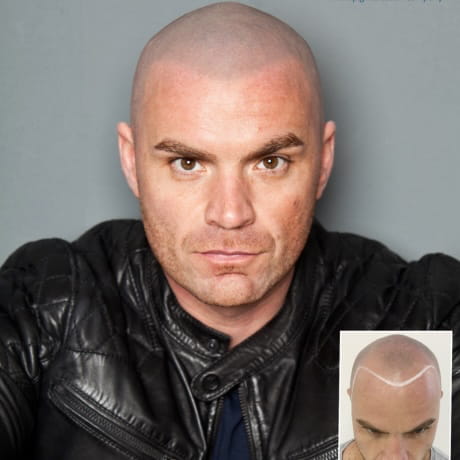
Before and after scalp micro pigmentation


Next in the Series

In Part 2, we’ll explore hair loss treatments — what works, what doesn’t, and when to act.

If you’re concerned about thinning hair or exploring your options, Skalp® offers professional consultations to assess your situation and recommend the most appropriate path forward.

We have clinics in London and Manchester.

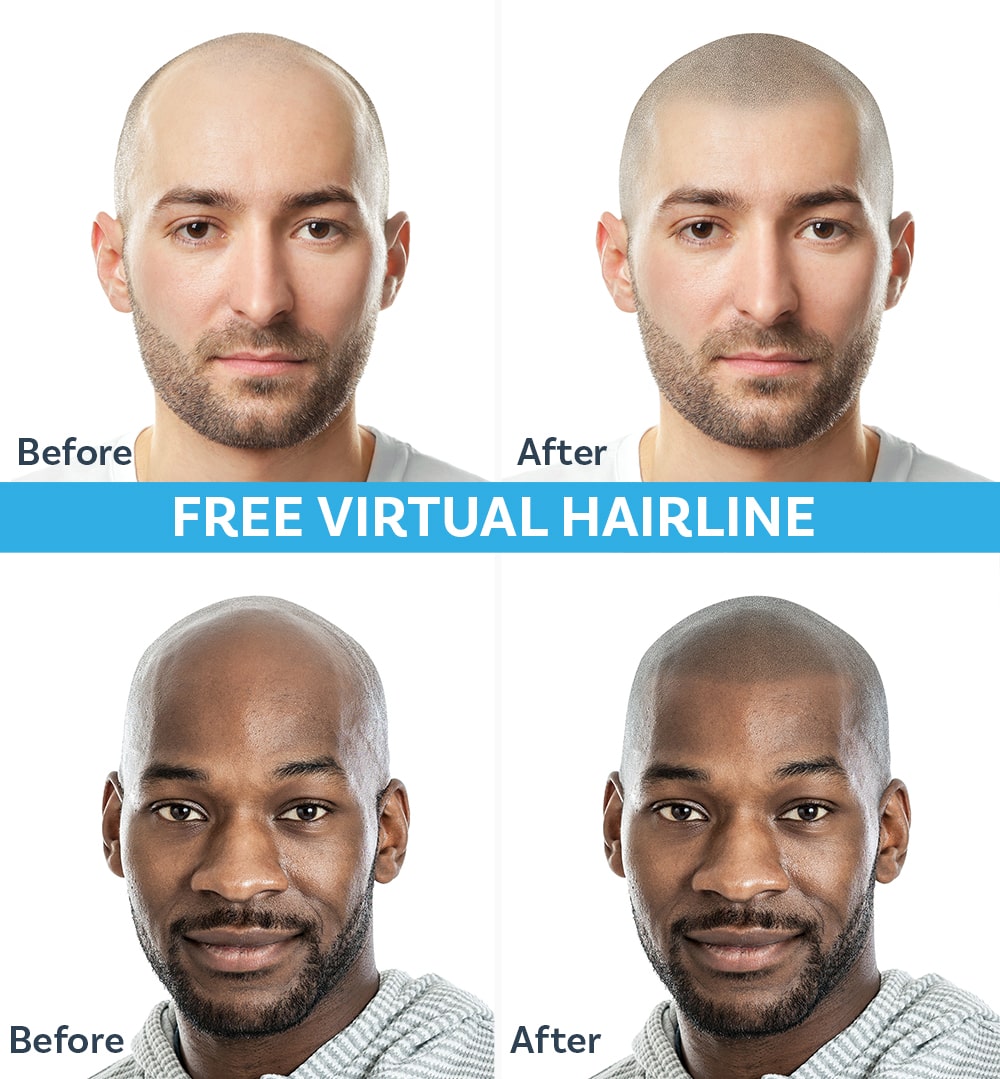
Free Virtual Hairline Mockup

See what you would look like with your perfect hairline with Scalp Micropigmentation!