Hair Extensions vs Scalp Micropigmentation: A Simpler, Ethical Choice
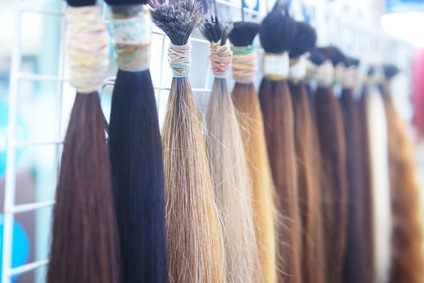
Hair extensions are very popular today. Over the past decade, in particular, demand has expanded far beyond celebrity culture. Today, everyday clients use extensions to add immediate volume, increase length, or completely transform their appearance within a single appointment.
When applied correctly, extensions can look exceptionally natural. To achieve this, stylists carefully match colour tone, strand thickness, and curl pattern. In addition, they select application methods—such as tape-ins, keratin bonds, or hand-tied wefts—that allow the added hair to integrate smoothly with natural strands. As a result, the final look often appears seamless.
However, despite their popularity, more clients are beginning to ask an important question:
Where does human hair actually come from?
Why Human Hair Extensions Are Used
To begin with, salons prefer real human hair for performance reasons. Compared to synthetic fibres, human hair behaves more naturally and offers greater versatility.
Specifically, human hair:
-
Looks more realistic
-
Responds to heat styling, including straightening and curling
-
Lasts significantly longer with proper care
-
Blings more effectively with natural hair texture
For this reason, many suppliers market high-grade extensions as Remy hair. This classification means manufacturers keep the cuticles aligned in a single direction. Consequently, the hair tangles less and maintains a smoother texture over time.
Even so, while clients see the polished end result, they rarely see how suppliers collect and process the raw hair.
Where Extension Hair Comes From
Globally, most commercial human hair originates from:
-
India
-
China
-
Eastern Europe
In some situations, suppliers follow structured and transparent systems.
In other cases, however, documentation and traceability remain limited.
India
In India, some hair comes from religious head-shaving ceremonies. Devotees voluntarily shave their heads at temples as part of spiritual offerings. Temples then collect and auction the donated hair.
While many donors understand this process, not all fully grasp the global resale value of their hair.
China
China processes and exports a significant portion of the world’s extension hair. Manufacturers often import raw hair and chemically treat it before resale.
However, investigative reports have raised concerns about labour practices in certain parts of the industry.
Eastern Europe
In economically disadvantaged regions, buyers sometimes approach women directly and offer payment for long, untreated hair.
Although some women sell willingly, financial pressure can influence the decision.
Ethical Concerns
Because the supply chain often lacks full traceability, several concerns have emerged, including:
-
Family members pressuring women to sell their hair
-
Children being encouraged to donate hair for resale
-
Extremely low compensation compared to international retail pricing
Importantly, not every supplier operates unethically. However, without transparent tracking systems, consumers struggle to verify origin and consent.
Hair carries deep cultural, spiritual, and personal significance. As a result, many clients now explore alternatives that avoid sourcing concerns altogether.
A Different Option: Skalp Scalp Micropigmentation
Unlike extensions, scalp micropigmentation (SMP) does not rely on donor hair.
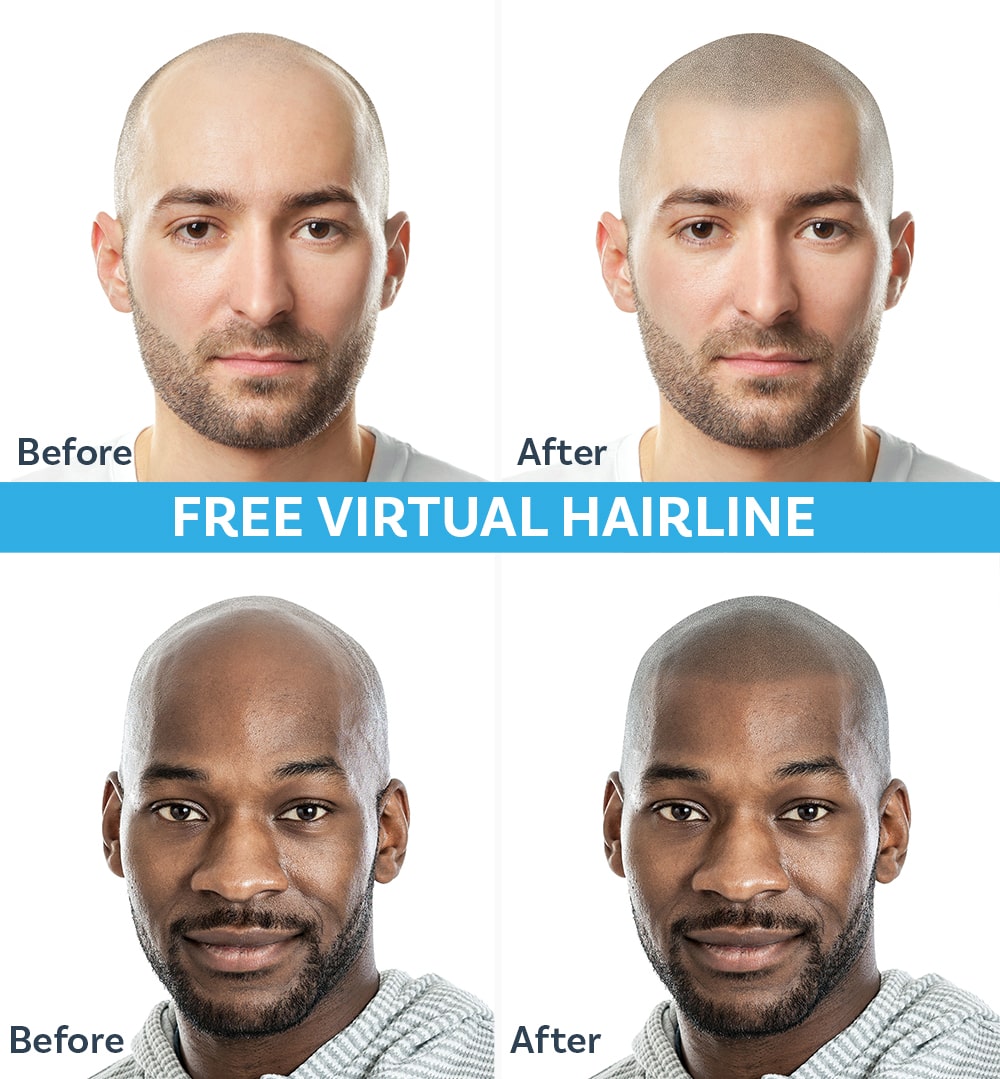
Instead, practitioners place precise micro-pigment deposits into the scalp to replicate the appearance of natural hair follicles. This technique creates the illusion of a closely shaved head or increased density in thinning areas.
Key Benefits
-
No external hair sourcing
-
No daily styling
-
Minimal maintenance
-
Long-lasting results
-
Natural, defined appearance
SMP works effectively for:
-
Thinning hair
-
Receding hairlines
-
Bald patches
-
Clients who prefer a clean shaved look
Making an Informed Choice
Hair extensions are not inherently unethical. However, inconsistent supply chain transparency raises legitimate questions for many consumers.
Scalp micropigmentation provides a controlled, self-contained solution. Because it does not require donor hair, it removes sourcing uncertainty entirely.
Ultimately, clients who want a low-maintenance, ethically straightforward option may find SMP to be a practical and reliable alternative.
Book a Free Consultation
Not sure if SMP is right for you? Come in for a free, no-obligation consultation at one of our clinics. We’ll talk you through your options, show you real results from other guys your age, and help you decide your next step — pressure-free.
We have clinics in London and Manchester
Book an appointment for a complimentary consultation today
Top posts:
Scalp Micropigmentation Frequently Asked Questions
The darker side of hair extensions
Shaving after SMP – Dos and Don’ts
The Future of Hair Health: How New Scalp Ingredients and Scalp Micropigmentation Work Together