Scalp Micro-Pigmentation for Black Men: Does It Work?
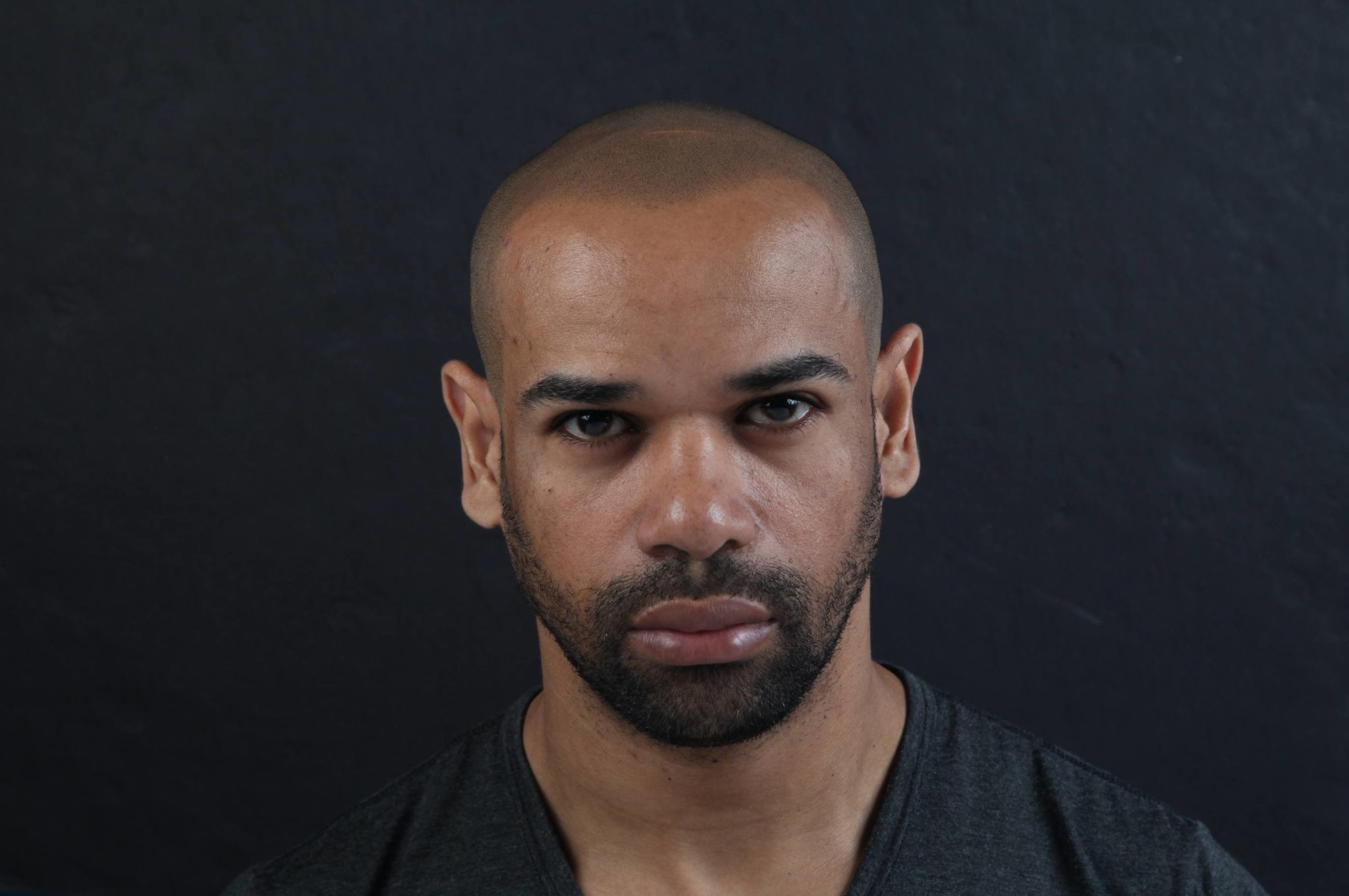
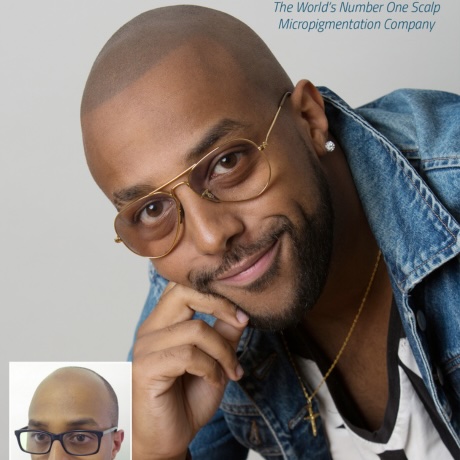
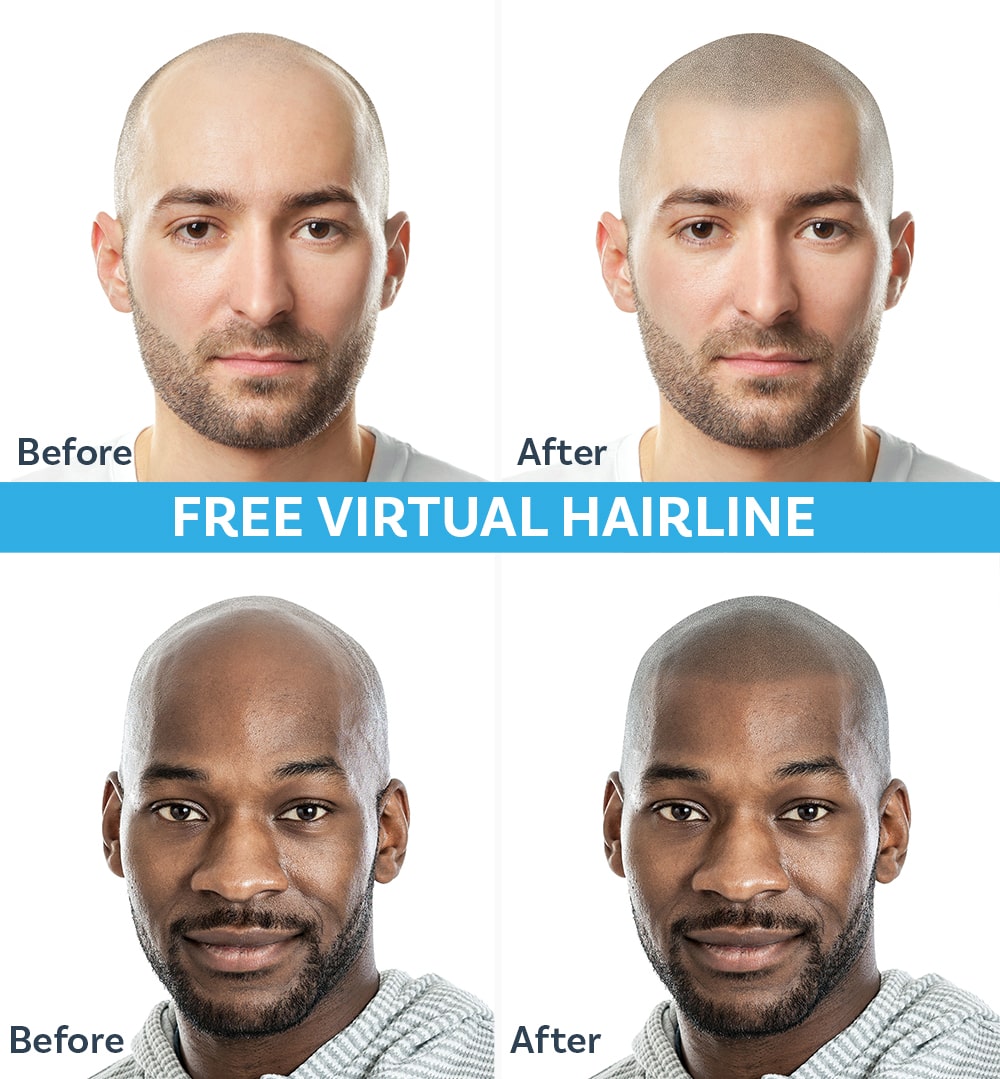
Contrary to common misconceptions, scalp micro-pigmentation (SMP) for Black men is just as effective as it is for any other ethnicity — and in many cases, the results are even more striking due to natural hairline density and contrast.
At SKALP®, we customise every treatment to the individual, carefully adapting to:
Skin tone
Hair colour
Natural follicle size
Hairline structure
Scarring
Pattern of hair loss
This guide explains exactly how SMP works for Black men and what results you can expect.
Understanding Hair Loss in Black Men
Hair loss can be particularly distressing. Alongside visible thinning often comes:
Reduced confidence
Anxiety
Confusion about treatment options
Exposure to misinformation and “miracle cures”
For Black men, common causes of hair loss include:
Androgenic alopecia (male pattern baldness)
Traction alopecia (caused by tight hairstyles such as cornrows or braids)
Scarring from injury or surgery
The treatment landscape can feel overwhelming — hair transplants, topical treatments, supplements — many with inconsistent results and high cost.
Why Scalp Micro-Pigmentation Is So Effective
Scalp micro-pigmentation (SMP) is a non-surgical cosmetic procedure that uses micro-needles and specialized pigment to recreate the look of real hair follicles.
As a result, it gives the appearance of a clean, natural shaved head.
Moreover, modern SMP techniques make the results even more realistic. For example, practitioners can layer multiple pigment tones to create depth and dimension. In addition, they can adjust follicle size to match natural hair patterns. Furthermore, they can shape hairlines with precision, camouflage scars, and deliver results that last for years with proper maintenance.
Importantly, SMP can be especially effective for Black men. This is because naturally defined hairlines allow for crisp, sharp designs. Additionally, strong contrast between the scalp and follicles enhances realism. Finally, thicker hair density patterns make the shaved look appear fuller and more authentic.
Overall, when performed correctly, SMP offers a highly natural and tailored solution for hair restoration.
What to Expect During Your SMP Consultation
Every SKALP® consultation is personalised.
When treating Black men, we assess:
1. Skin Tone Matching
Pigments are blended to complement undertones and ensure the follicles do not appear grey, blue, or artificial.
2. Hairline Design
Black men often prefer:
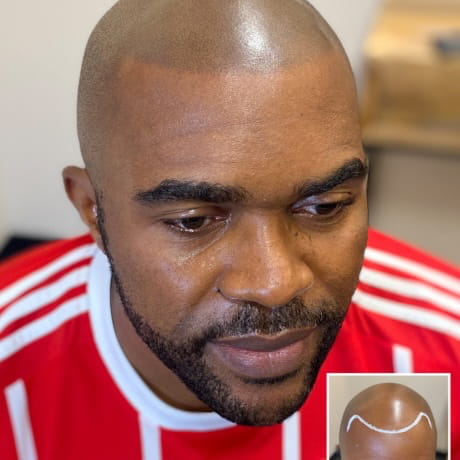
Sharper line-ups
More structured temple points
Stronger frontal definition
We design hairlines that align with cultural and personal style preferences.
3. Follicle Size & Density
Because Afro-textured hair typically appears thicker, we create:
Slightly larger follicle impressions
Deeper pigmentation where appropriate
4. Scar Coverage
SMP can camouflage:
Surgical scars
Accident scars
FUT transplant scars
Traction alopecia thinning areas
Case Study: SMP for Androgenic Alopecia & Scar Camouflage
One SKALP® client experienced gradually developing androgenic alopecia that accelerated due to a receding hairline over a 12-month period.
Complicating factors included:
A previous car accident
Partial skull reconstruction
Visible scarring
Treatment Strategy
Hairline reconstruction with bold definition
Approximately one-third scar infill to avoid a “flat” or unnatural finish
Density layering to allow future flexibility
Why this mattered:
Alopecia conditions can stabilise or fluctuate. SMP allows:
Existing hair to grow over pigmentation if condition improves
Additional sessions if hair loss progresses
This makes SMP one of the most adaptable long-term hair loss solutions available.
Special Considerations: SMP Techniques for Black Men
Research and practitioner experience consistently highlight distinct styling preferences and anatomical considerations. In particular, the following factors are especially relevant:
✔ Sharper, Bolder Hairlines To begin with, line-ups and angular temple points are often preferred aesthetic features. As a result, hairline design typically emphasizes crisp edges and clearly defined corners to mirror common grooming styles.
✔ Darker Pigment Blends In addition, Afro-textured hair generally requires deeper, richer pigment tones to achieve a natural match. Consequently, careful pigment selection is critical to avoid undertones that appear ashy or artificial against the scalp.
✔ Larger Follicle Impressions
Moreover, because Afro-textured hair naturally presents with a distinct follicle pattern and density profile, larger and strategically spaced follicle impressions are often necessary. This approach better replicates authentic growth characteristics.
✔ Traction Alopecia Awareness
Finally, it is important to consider the prevalence of traction alopecia associated with tight hairstyles such as cornrows, braids, and dreadlocks. In these cases, Scalp Micropigmentation (SMP) can effectively restore the appearance of density along the hairline and temporal regions, thereby creating a fuller, more balanced look.
Together, these considerations ensure that SMP results are not only technically accurate but also culturally aligned and aesthetically appropriate.
Is SMP Right for You?
Scalp micro-pigmentation may be ideal if you:
Want a shaved head look
Have thinning or receding hair
Have visible scars
Want a non-surgical solution
Are not a good candidate for hair transplant surgery
Prefer predictable, long-lasting results
Why Choose SKALP®?
At SKALP®, we specialise in high-precision SMP treatments tailored to every skin tone and hair type.
Our approach combines:
Advanced pigment science
Precision application techniques
Bespoke hairline artistry
Realistic density replication
We understand that hair restoration isn’t just cosmetic — it’s confidence restoration.
FAQ’S
Does scalp micro-pigmentation work on dark skin? Yes. SMP is specifically customised to match skin undertones and avoid unnatural pigment tones.
Is SMP suitable for traction alopecia? Yes. SMP can restore the appearance of density in areas affected by traction alopecia.
Will the pigment turn blue over time? No. When performed professionally using high-quality pigments, colour remains natural.
How long does SMP last? Results typically last 4–6 years before a minor refresh is required.