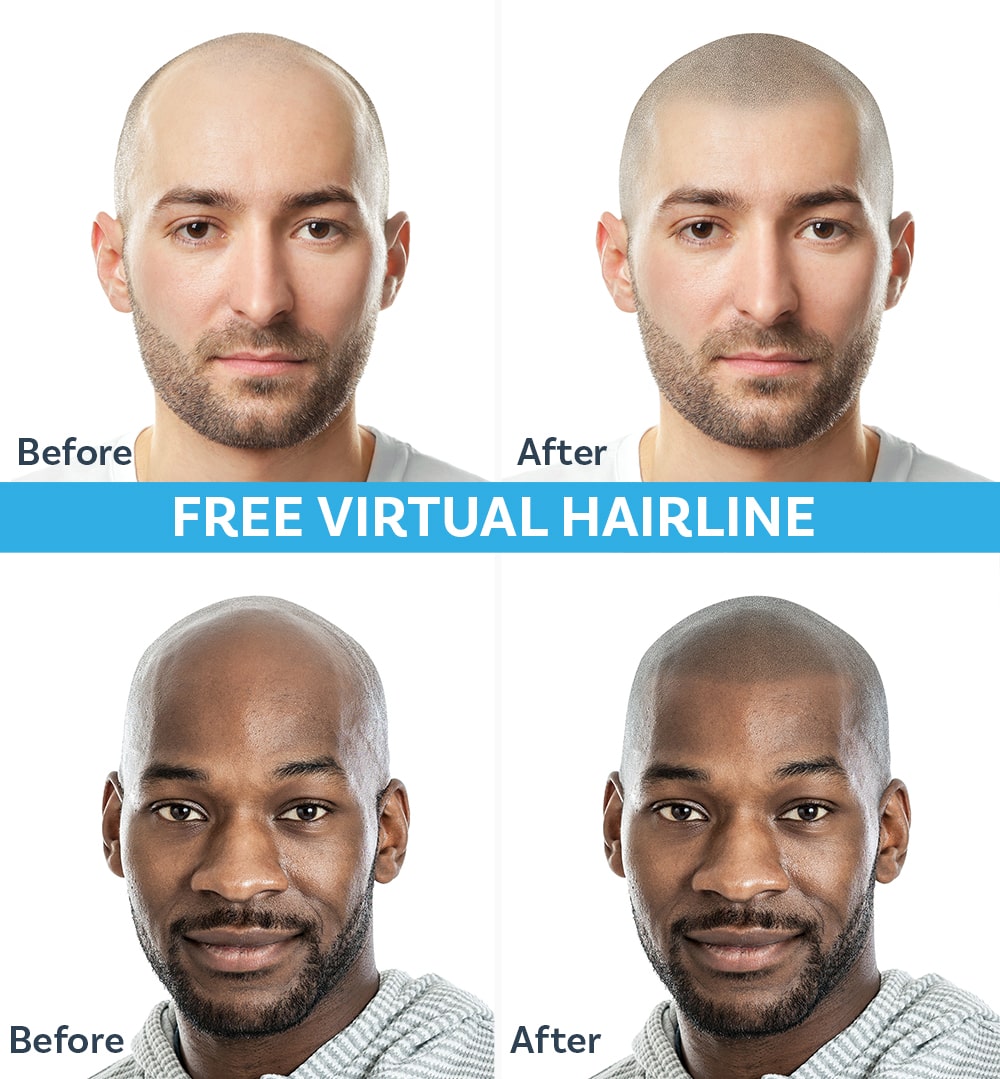
What Types of Hair Loss Can Scalp Micropigmentation Fix?
Scalp micropigmentation (SMP) is a non-surgical hair restoration treatment designed to restore the appearance of a fuller, sharper hairline. It works by placing specialised pigment impressions into the scalp to replicate natural hair follicles.
Unlike hair transplants, SMP delivers immediate visual density, requires no recovery time, and lasts for years with minimal maintenance.
This treatment is suitable for multiple forms of hair loss, including:
-
Receding hairlines
-
Bald patches
-
Alopecia areata
-
Alopecia universalis
-
Thinning hair
-
Pattern baldness
Below we explain exactly how scalp micropigmentation solves each condition.
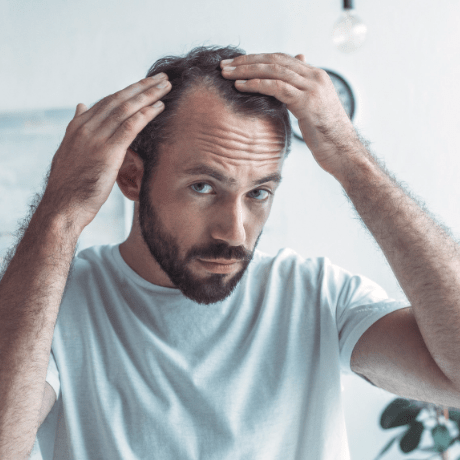
Receding Hairline Treatment
A receding hairline is usually the earliest stage of male pattern hair loss. Many men try to hide it, but untreated recession gradually worsens and alters facial balance.
Scalp micropigmentation rebuilds and defines the frontal hairline by recreating natural follicle density. The result is a sharper, age-appropriate hairline that frames the face correctly.
Benefits:
-
Restores youthful hairline shape
-
Adds visible density at the temples
-
Improves facial proportions
-
Immediate confidence improvement
SMP does not accelerate hair loss — instead, it camouflages it permanently.
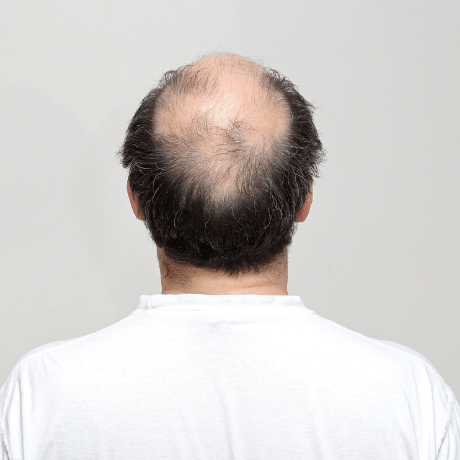
Bald Patches and Localised Hair Loss
Patchy hair loss can appear anywhere on the scalp and is often difficult to conceal with styling alone.
SMP fills these areas by matching pigment to your natural hair colour and surrounding follicle pattern. The treatment blends seamlessly with existing hair.
Suitable for:
-
Small circular bald spots
-
Crown thinning
-
Scar camouflage
-
Uneven density areas
You do not always need to shave your head. Clients with longer hairstyles can keep their hair while the patches are blended invisibly.
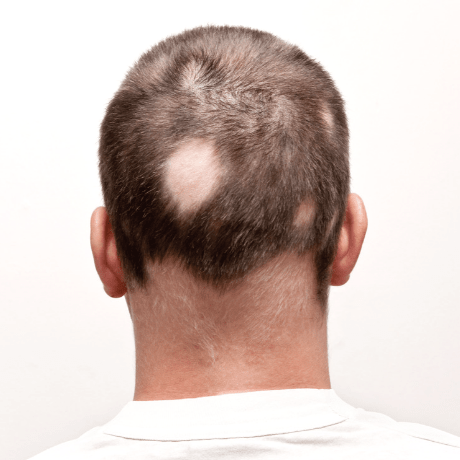
Alopecia Hair Loss Solutions
Autoimmune hair loss conditions can be unpredictable and emotionally difficult to manage.
While there is no permanent medical cure, scalp micropigmentation provides the most reliable cosmetic restoration.
For extensive loss, we create an entirely new natural-looking hairline and scalp density pattern tailored to facial structure.
Why SMP works especially well for alopecia:
-
No risk of graft rejection
-
Works even with zero hair follicles
-
Stable long-term appearance
-
Restores normal appearance in social settings
Many clients describe it as life-changing rather than simply cosmetic.
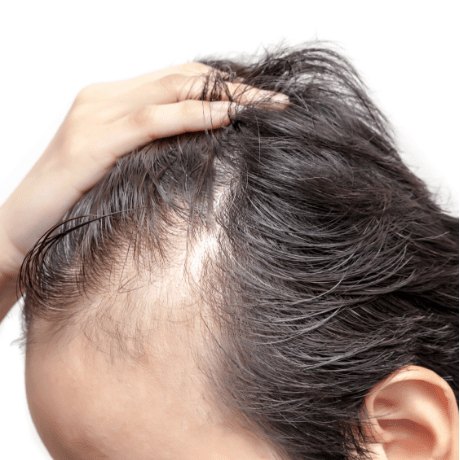
Thinning Hair & Density Enhancement
Diffuse thinning is one of the most common hair complaints. The scalp becomes visible under lighting, making hair appear weak or aged.
Scalp micropigmentation reduces contrast between hair and skin, creating the illusion of thicker hair across the entire scalp.
Results include:
-
Fuller appearance without fibres or concealers
-
Stronger hairline definition
-
Improved crown coverage
-
Natural look at any distance
Even close inspection rarely detects the treatment.
Why Choose Scalp Micropigmentation Instead of a Hair Transplant?
| Feature | Scalp Micropigmentation | Hair Transplant |
|---|---|---|
| Surgery | No | Yes |
| Recovery time | None | Weeks–months |
| Pain | Minimal | Moderate |
| Cost | Much lower | Very high |
| Instant results | Yes | No |
| Works for complete baldness | Yes | Often limited |
SMP is therefore the most predictable visual hair restoration method available.
Is SMP Right For Your Hair Loss?
If you have noticed a change in your hairline, density, or visible scalp — you are already an ideal candidate. The earlier treatment begins, the more natural the final result.
Scalp micropigmentation does not stop hair loss.
It removes the visual impact of hair loss permanently.
Book a consultation at Skalp to receive a personalised hairline design matched to your age, ethnicity, and facial structure.
We have clinics in London and Manchester.
Top Related Posts:
The 7 Stages Of Male Pattern Baldness Explained
The Real Disadvantages Of Scalp Micropigmentation
Receding Hairline In Your 20’s? 4 Hair Loss Solutions To Consider