How Basil May Help Reduce Hair Loss
Hair loss can happen for many reasons. For example, it may be linked to scalp inflammation, poor blood flow, oxidative stress, or shrinking hair follicles. Fortunately, basil may help address several of these issues.
1. First, It Helps Calm Inflammation
Long-term scalp inflammation can disturb the hair growth cycle. As a result, hair follicles may enter the shedding (telogen) phase too early.
Basil contains eugenol and rosmarinic acid, which have calming, anti-inflammatory effects. Therefore, it may help soothe an irritated scalp.
Before trying to stimulate new growth, it is important to create a healthy scalp environment. In this way, reducing inflammation becomes the first step.
2. In Addition, It May Improve Scalp Circulation
Healthy hair follicles need oxygen and nutrients. However, if blood flow is limited, follicles can weaken.
When used topically, basil extracts may gently stimulate microcirculation. As a result:
-
Follicles may anchor more firmly
-
Breakage-related shedding may decrease
-
The growth (anagen) phase may be better supported
In short, better circulation supports stronger hair at the root.
3. Furthermore, It Provides Antioxidant Protection
Oxidative stress can damage hair follicles over time. For example, pollution, UV exposure, and chronic stress increase free radical activity.
Because basil contains flavonoids and polyphenols, it helps neutralize these free radicals. Consequently, it may protect follicles from premature aging and thinning.
For people living in urban areas or managing high stress, this antioxidant support can be especially helpful.
4. Finally, It Supports a Balanced Scalp
Scalp health depends on microbial balance. However, dandruff, clogged follicles, or microbial overgrowth can increase shedding.
Basil has natural antimicrobial properties. Therefore, it may help:
-
Maintain a healthier scalp microbiome
-
Reduce irritation
-
Minimize follicle stress
A balanced scalp creates better conditions for consistent hair growth.
Basil vs. Other Botanical Hair Ingredients
Basil is often compared with other plant-based hair care ingredients:
-
Salvia rosmarinus (Rosemary) – Known for circulation support and DHT-related research
-
Mentha piperita (Peppermint) – Stimulating and cooling
-
Aloe vera – Hydrating and soothing
While rosemary is frequently linked to direct growth stimulation, basil stands out for its anti-inflammatory and scalp-balancing effects. For this reason, it may be especially useful for:
-
Stress-related shedding
-
Sensitive or irritated scalps
Rather than relying on a single “hero” ingredient, combining botanicals strategically often produces stronger results.
How to Use Basil for Hair Loss
1. Basil-Infused Scalp Oil
A carrier oil infused with basil leaves can be massaged into the scalp to:
-
Support circulation
-
Reduce inflammation
-
Improve scalp hydration
2. Basil Extract in Targeted Treatments
Next, standardized extracts offer consistent levels of active compounds. Therefore, they are often more reliable than homemade preparations.
If precision and stability are priorities, professionally formulated products are usually preferable.
3. Holy Basil (Tulsi) for Stress-Related Shedding
In particular, Ocimum tenuiflorum (Tulsi) is traditionally considered an adaptogen. That means it may help the body manage stress.
Since high cortisol levels can contribute to telogen effluvium (stress-related shedding), tulsi-based formulations may provide indirect support.
Who May Benefit Most?
Basil-based scalp treatments may be especially helpful for:
-
Early-stage thinning
-
Shedding after stress
-
Inflamed or sensitive scalps
-
Breakage linked to poor scalp health
-
Individuals seeking plant-based options
However, it is important to note that basil is not a replacement for medical treatment in advanced androgenetic alopecia. Instead, it works best as part of a broader scalp care strategy.
The Skalp Perspective: Scalp First, Growth Second
Hair grows from the follicle — and follicles reside in the scalp. Before stimulating growth, the scalp environment must be optimized.
Basil contributes to:
-
Reduced inflammatory load
-
Improved microcirculation
-
Antioxidant defense
-
Microbiome balance
In evidence-aligned botanical formulations, it becomes part of a broader strategy to reduce hair loss and support stronger regrowth over time.
Final Thoughts
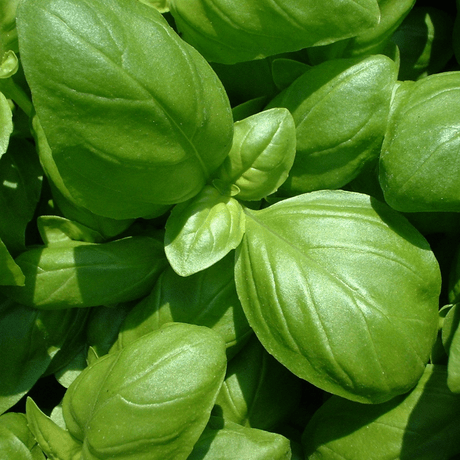
Basil is more than a culinary herb. Its bioactive compounds make it a valuable botanical in scalp-focused hair care. While results vary depending on the underlying cause of hair loss, incorporating basil into a structured regimen may help reduce shedding and improve overall scalp resilience.
For brands like Skalp, the future of hair restoration lies in combining modern trichology with targeted botanical science — and basil is a meaningful part of that conversation.
It’s just another reason why scalp micropigmentation is the best hair loss solution available today. As you mature, so can the treatment, ensuring you always have a look you are happy and comfortable with. You can find answers to all of your scalp micropigmentation questions on our FAQ page here.
Top Related Posts:
Men Can Now Save Their Hair Follicles For The Future
Hair Loss Shampoos Actually Work?
Places its Not Appropriate To Wear A Hat
How to Reduce DHT Naturally For Hair Growth
Why stress can make you lose your hair
New Year, New You: 7 Everyday Winter Habits That Could Be Sabotaging Your Hair and Scalp Health
5 Lifestyle Changes You Can Make To Reduce Hair Loss
Scalp Massages For Healthy Hair