How Ethnicity Influences Hair Loss and Scalp Health
Hair loss can affect anyone — regardless of age, gender, or ethnicity. However, the causes, patterns, and scalp conditions associated with hair loss can differ significantly depending on genetic background, hair texture, and cultural hair care practices.
For Black men and individuals with Afro-textured hair, certain scalp conditions and styling habits can increase the risk of thinning, scarring, and permanent hair loss.
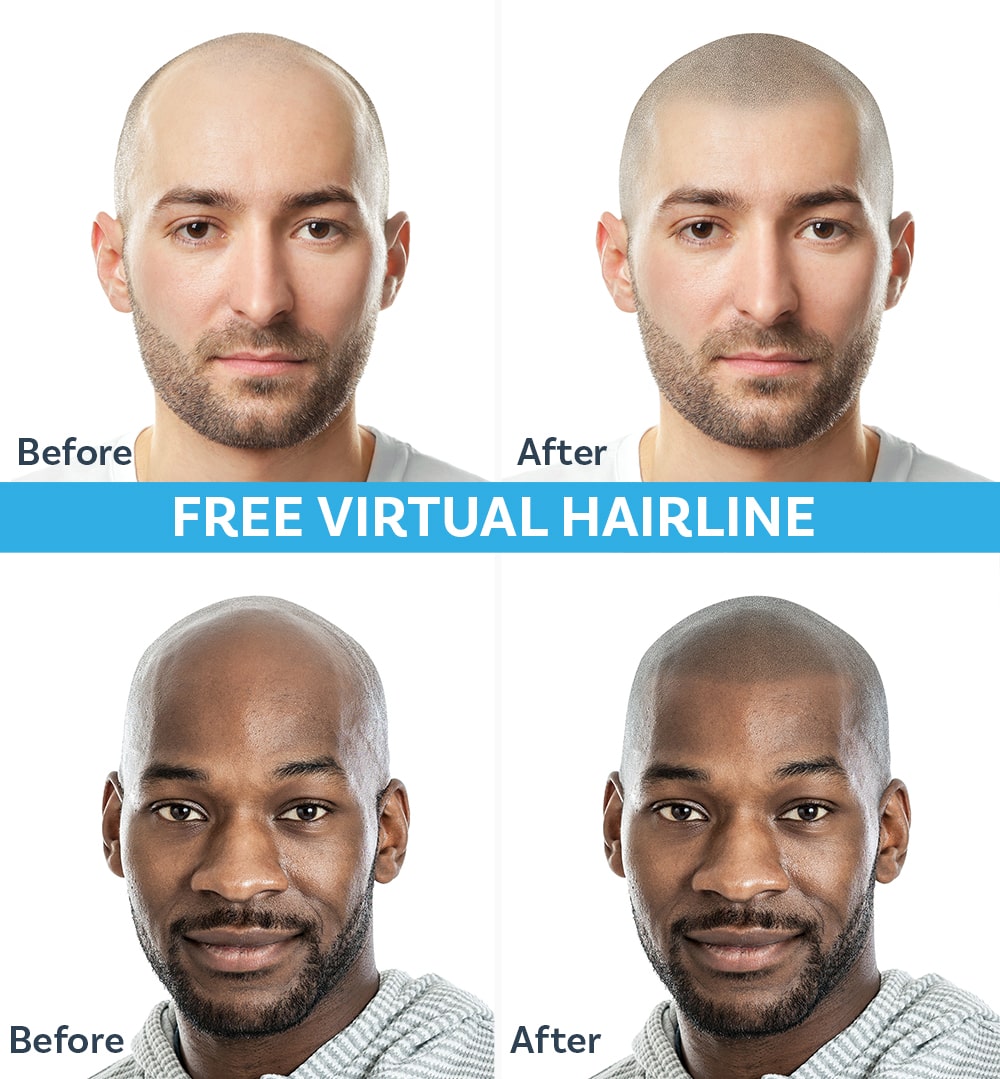
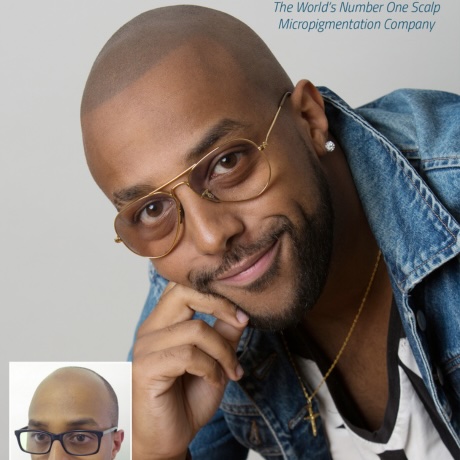
Understanding these differences is critical when choosing the right treatment — especially when considering Scalp Micropigmentation (SMP) for Black men as a long-term solution.
Common Scalp Conditions in Black Children and Adults
Dermatologists note that individuals with darker skin tones often experience unique scalp concerns compared to Caucasian patients.
Conditions more commonly seen include:
-
Seborrheic dermatitis
-
Atopic dermatitis
-
Scalp inflammation with redness and flaking
-
Hypopigmentation on the scalp
These inflammatory conditions can weaken hair follicles over time, particularly if not properly managed.
When left untreated, chronic scalp irritation may contribute to thinning areas that later become candidates for SMP hair restoration for men of colour.
Traction Alopecia in Black Hair
One of the most common forms of hair loss affecting Black men and women is traction alopecia.
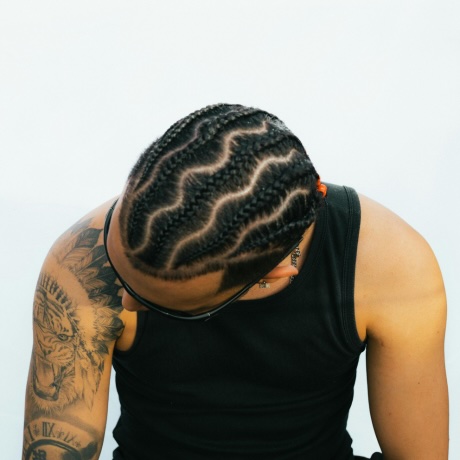
This type of hair loss is caused by prolonged tension placed on hair follicles. Cultural and fashionable hairstyles often associated with African and Caribbean heritage include:
-
Cornrows
-
Dreadlocks
-
Braids
-
Tight ponytails
-
Twists
While these styles are culturally significant and stylish, wearing them tightly and consistently can damage follicles over time.
Traction alopecia typically appears along:
-
The hairline
-
Temples
-
Crown area
If caught early, it may be reversible. However, long-term tension can cause permanent follicle damage and scarring.
For men experiencing irreversible thinning due to traction alopecia, scalp micropigmentation for Black men offers a realistic, low-maintenance restoration option.
Pomades, Follicle Blockage & Folliculitis
Pomade remains a popular styling product in Black hair care. While effective for hold and shine, heavy wax-based pomades:
-
Build up on the scalp
-
Block hair follicles
-
Contribute to folliculitis (inflamed follicles)
-
Increase risk of scarring alopecia
On average, some pomades can take up to 10 washes to fully remove. Chronic buildup creates an unhealthy scalp environment, potentially leading to permanent hair loss.
When scarring occurs, traditional hair regrowth treatments are often ineffective — making SMP for men of colour an increasingly popular solution.
Tinea Capitis: A Contagious Scalp Infection
Tinea capitis is a fungal scalp infection more frequently diagnosed in children of African descent.
Key characteristics:
-
Highly contagious
-
Spreads via shared combs and brushes
-
Requires oral medication (topical treatments are ineffective)
-
Can cause patchy hair loss
Early treatment is essential to prevent long-term follicle damage.
If permanent thinning develops, scalp micropigmentation can restore the appearance of density and symmetry.
Vitiligo and Scalp Pigmentation Differences
Vitiligo affects all ethnicities but is often more visually pronounced in people with darker skin tones due to contrast.
When vitiligo affects the scalp, it may create:
-
Visible light patches
-
Uneven tone under short hair
-
Loss of pigment in hair shafts
In some cases, specialised SMP techniques for darker skin tones can help visually balance pigmentation and improve overall appearance.
Why Scalp Micropigmentation Is Ideal for Black Men
Scalp Micropigmentation (SMP) is particularly well-suited to Black men because:
-
Afro-textured hair naturally creates a soft hairline effect
-
The shaved head style is culturally strong and widely embraced
-
Pigment can be precisely matched to darker skin tones
-
Results replicate natural hair follicles
SMP creates the appearance of:
-
A clean, sharp hairline
-
Fuller density
-
A closely shaved “buzz cut” look
-
Even coverage for scarring or patchy thinning
Unlike hair transplants, SMP:
-
Requires no surgery
-
Has minimal downtime
-
Works on scar tissue
-
Provides instant visible results
SMP for Traction Alopecia and Scarring
Many Black men seek SMP to correct:
-
Temple recession from braiding or twists
-
Frontal hairline thinning
-
Crown thinning
-
Scarring from folliculitis
Advanced practitioners customise hairline design to suit:
-
Face shape
-
Age
-
Natural growth patterns
The result is subtle, masculine, and natural-looking.
A Long-Term Hair Loss Solution for Men of Colour
Hair loss can feel personal — especially when cultural identity and hair expression are closely linked.
Scalp Micropigmentation offers:
-
A confidence boost
-
Low daily maintenance
-
A solution that ages naturally with you
-
Freedom from fibres, sprays, or concealers
As trends evolve and you mature, your SMP treatment can also be adjusted to maintain a look that feels authentic and sharp.
Frequently Asked Questions About SMP for Black Men
Does SMP work on darker skin tones?
Yes. Experienced practitioners customise pigment blends specifically for melanin-rich skin to avoid colour shift.
Can SMP cover scars from braids or folliculitis?
Yes. SMP is highly effective for camouflaging scarring and uneven density.
Is SMP better than a hair transplant for Black men?
In cases of traction alopecia or scarring, SMP is often more predictable and less invasive.
Skalp® have clinics around the world. We have clinics in London and Manchester.
Top Related Posts:
New Year, New You: 7 Everyday Winter Habits That Could Be Sabotaging Your Hair and Scalp Health
5 Lifestyle Changes You Can Make To Reduce Hair Loss
Scalp Massages For Healthy Hair
Men Can Now Save Their Hair Follicles For The Future
Hair Loss Shampoos Actually Work?